Web Design
Oliva
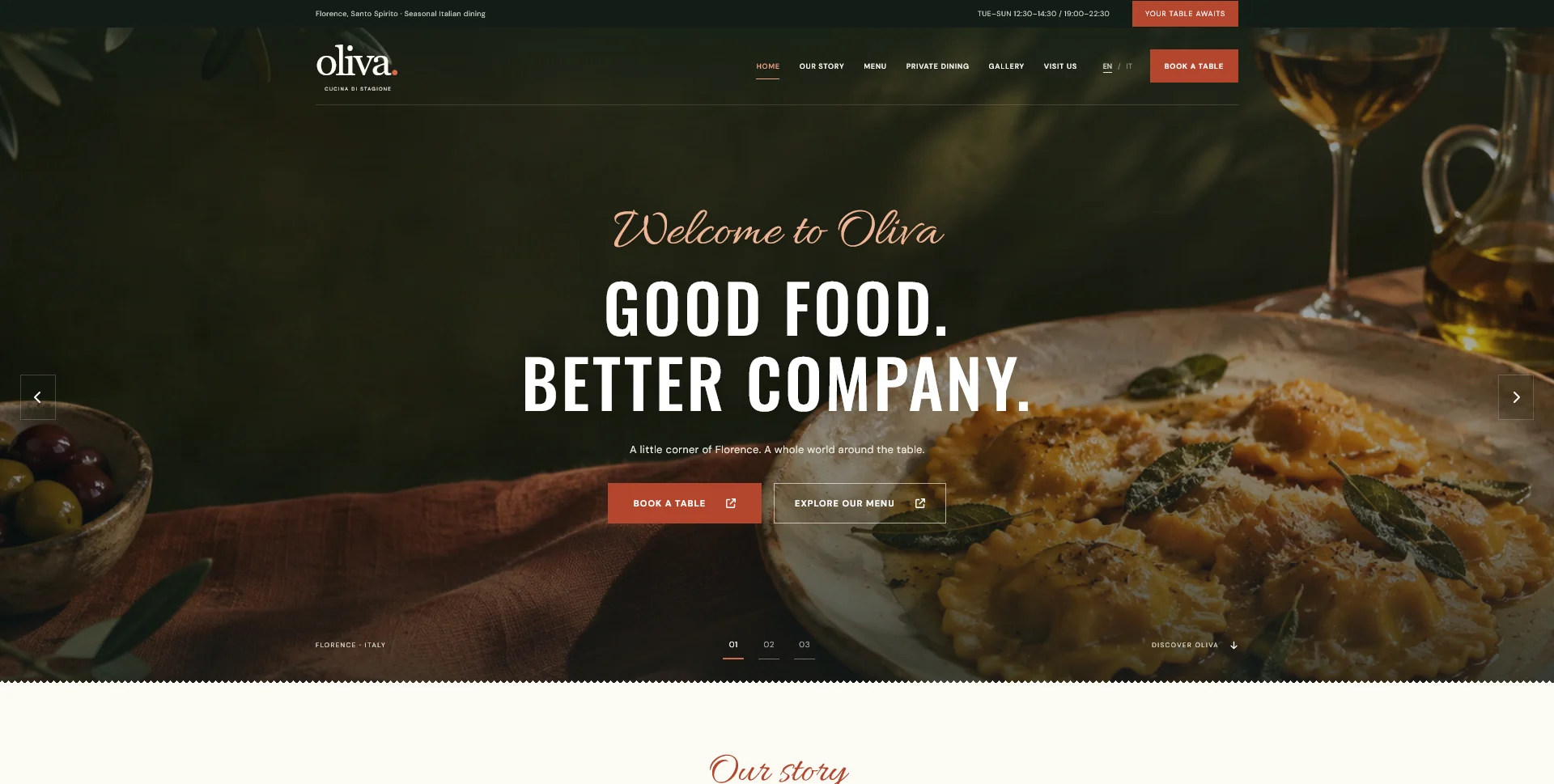
A personal restaurant website concept combining an expressive Italian dining atmosphere with a photographic menu, clear visit information and a demonstration reservation journey.
 Let’s talk
Prioritise translation for a multilingual restaurant website. Plan menus, visit details, contact instructions and confirmation states as one guest journey.
Translate the complete route that helps a guest choose and arrange a visit before translating every page of the website. For many restaurants, the first priorities are the menu, visit information, reservation process and the messages that follow an enquiry. A translated welcome paragraph is of limited use if the important decisions remain unexplained.
The right language plan depends on the guests you actually serve and the resources available to maintain it. Choose a manageable scope, assign review responsibilities and make sure the restaurant can handle the enquiries the translated site invites.
Start with the languages used in enquiries, guest feedback and the restaurant’s usual visitors. Combine this with any reliable audience information you already have. Do not assume that every language appearing once in analytics needs a full version of the site.
Ask what those guests find difficult today. They may understand the food photographs but need help with service times, menu terms, directions or the difference between a request and a confirmed table.
The restaurant enquiry-quality guide helps turn repeated questions into content priorities. The goal is to make a useful visit possible, not simply to display more flags in the header.
| Content | Why it belongs early | What to translate together |
|---|---|---|
| Menu | Guests need to understand the offer | Names, useful descriptions, prices and approved supporting information |
| Visit details | Guests need to reach the right place and service | Location, directions, opening and meal-service information |
| Reservation route | Guests need to know how to act | Buttons, form labels, instructions and provider handoff |
| Result and follow-up | Guests need to understand the status | Errors, acknowledgement, confirmation and next steps |
| Restaurant story | Guests may want context and character | The selected story content and its relevant links |
The order can change for a restaurant whose main task is private dining or events. Define the priority journey first, then translate the material needed to finish it.
Some dish names can remain in their original language with a short explanation. Others need a clearer description for someone unfamiliar with the ingredient or preparation. Preserve the restaurant’s character while helping the reader understand what is offered.
Have the restaurant’s responsible team check ingredients, approved allergen information and any dietary labels. A fluent sentence is not sufficient evidence that those details remain accurate. Avoid expanding a translation into a new claim about suitability.
Keep menu updates coordinated. A changed ingredient, price or service condition should trigger review of the relevant language versions, with one person responsible for confirming the update.
The form, error messages and acknowledgement are part of the same experience as the menu. A guest should not encounter an unexplained language change immediately after deciding to request a table.
Use the reservation form-fields guide to inventory labels, options and instructions. Then use the request-confirmation guide to inventory the result states and follow-up wording.
Check the external provider as well. Identify the languages it supports and what happens after the handoff. If the team can only respond in certain languages, explain the arrangement clearly rather than implying support the restaurant cannot provide.
The Oliva restaurant website concept starts in English and offers an Italian interface through an EN/IT control. It demonstrates language choice and keeps the selected preference between pages. Its translations are changed in the browser; the concept does not provide a separately indexed publishing structure for each language.
For a production site intended to serve search visitors in several languages, agree the URL and publishing structure with the implementer. Google’s multilingual-site guidance recommends different URLs for language versions, appropriate language annotations and links that let visitors choose their version. It also cautions against automatically redirecting people based on an assumed language.
Use that technical work to support complete, reviewed content. Adding language metadata alone does not make an unfinished translation useful to a guest.
Use labels people can understand, such as the language names or familiar language codes with clear context. Countries and languages do not map neatly to each other, so a flag alone may be ambiguous.
When someone switches language on a menu or location page, keep them on the equivalent destination where one exists. If a page has not been translated, make that clear rather than silently sending them to an unrelated homepage.
The location-page guide is particularly relevant when venue information differs. Language choice should not accidentally change the selected restaurant or its reservation destination.
Navigation labels, buttons and dish descriptions may need different amounts of space. Review real translated content in the design rather than assuming every phrase will fit the original width.
Test the mobile menu, long dish names, form errors and the final action. Keep meaningful text as text rather than baking it into a photograph that must be recreated for every language. The image optimisation guide also explains why content and image roles should be separated.
Use the mobile navigation testing guide to check a full route in each supported language. A tidy language selector is only the beginning of that review.
Create a small register of pages, language versions, reviewers and update status. Record which changes affect both languages and which are specific to a particular audience or venue.
Agree how urgent corrections are handled. If service hours change, the team needs a way to update every published version promptly. A CMS can support agreed editing tasks, but someone still owns translation and review.
The phased restaurant website guide helps define a complete first language expansion. Add more languages when the restaurant can sustain their content and enquiry process, rather than leaving several partial versions online.
Usually the menu and visit or reservation information have a more direct role in arranging a meal. The restaurant’s audience and primary task should determine the order.
It can support drafting, but the published content needs review for meaning, tone and factual accuracy. Menu details and operational instructions deserve particular attention.
No. Search-facing versions also need an appropriate publishing structure, discoverable content and implementation choices agreed for the project.
Share your audience, existing translations, menu and reservation process. SavianoDesign’s Website Design service can help define the page and interface requirements, with translation, review and technical implementation responsibilities made explicit.
Web Design
A personal restaurant website concept combining an expressive Italian dining atmosphere with a photographic menu, clear visit information and a demonstration reservation journey.
Web Design
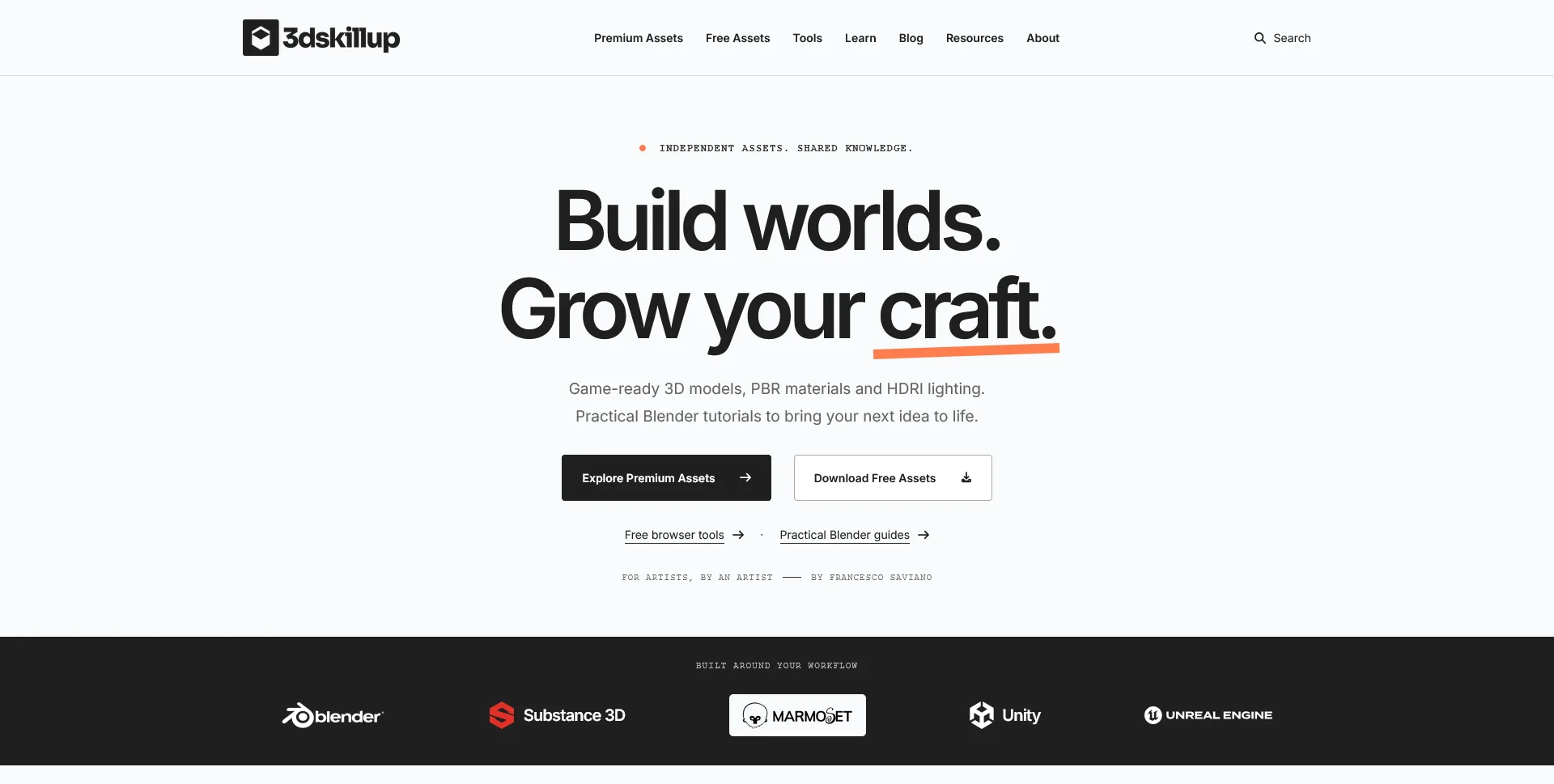
A separate creative platform bringing together game-ready 3D assets, practical tutorials and resources for artists.
Web Design
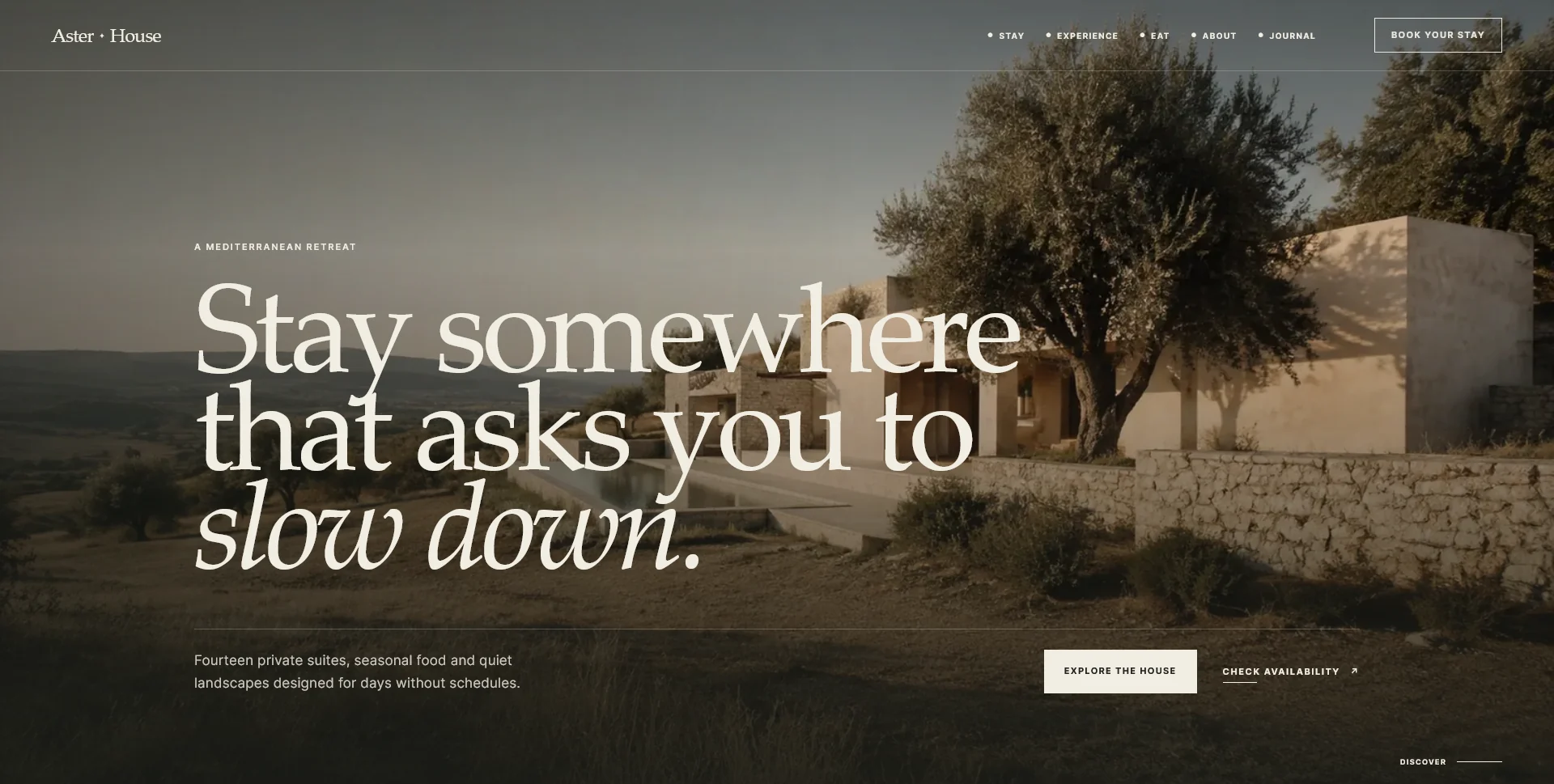
An editorial hospitality concept, combining a Mediterranean visual direction with responsive front-end development.
Web Design · 6 min read
Decide when a restaurant website should prioritise email, phone or online booking. Match each route to guest needs, staff availability and actual follow-up.
Web Design · 6 min read
Explain what happens after a restaurant reservation request. Plan accurate success messages, confirmation details, realistic follow-up and useful next steps.
Web Design · 6 min read
Plan a small restaurant website that covers menus, visit details and reservations. Define a useful first phase, update owners and clear expansion triggers.
Have a website in mind?
A short outline is enough to start a conversation.
Discuss your project View my 99designs profile5.0 / 5 from 25 reviews on 99designs. Read client feedback.