Web Design
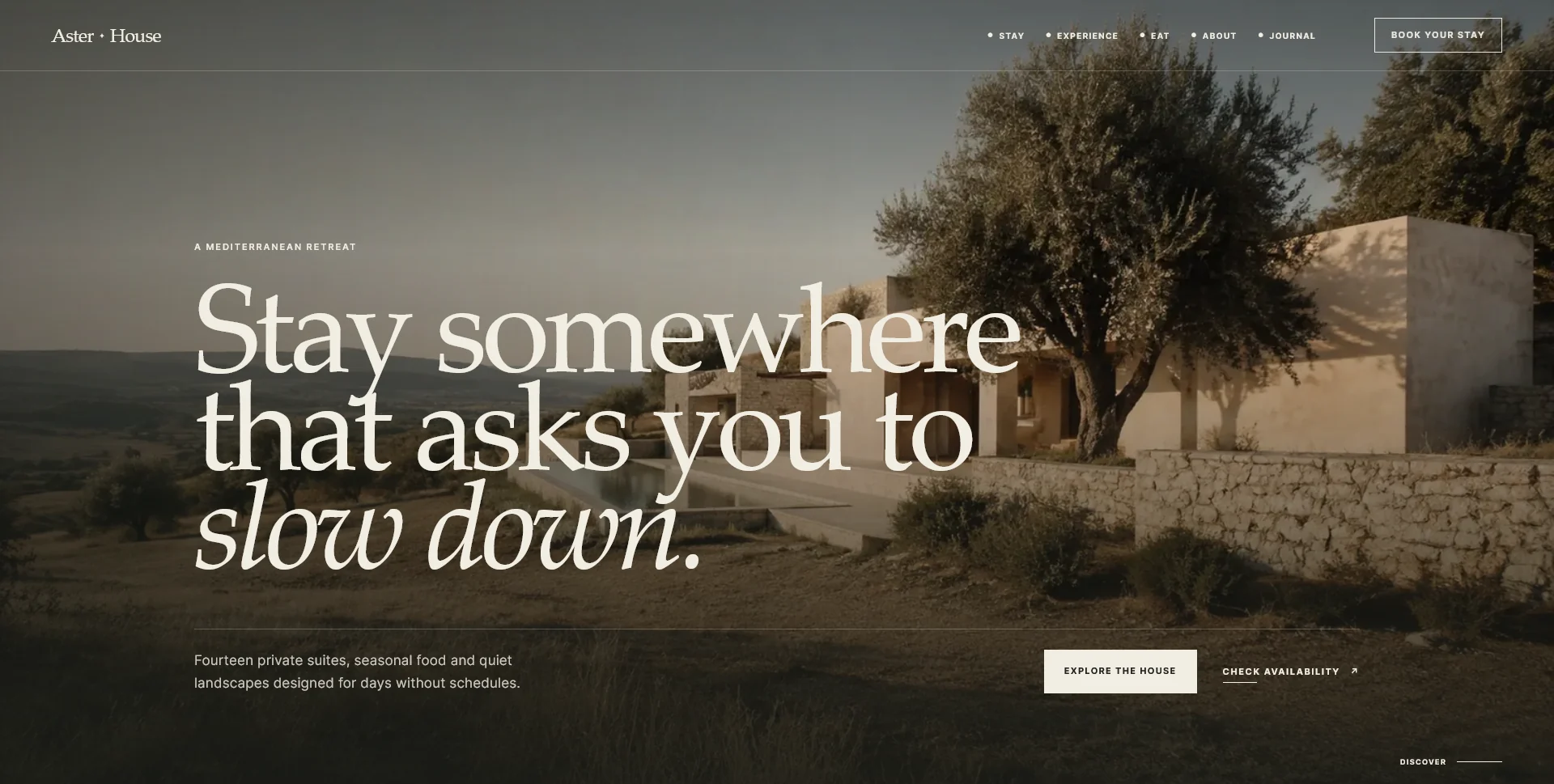
Aster House
An editorial hospitality concept, combining a Mediterranean visual direction with responsive front-end development.
 Let’s talk
Web Design
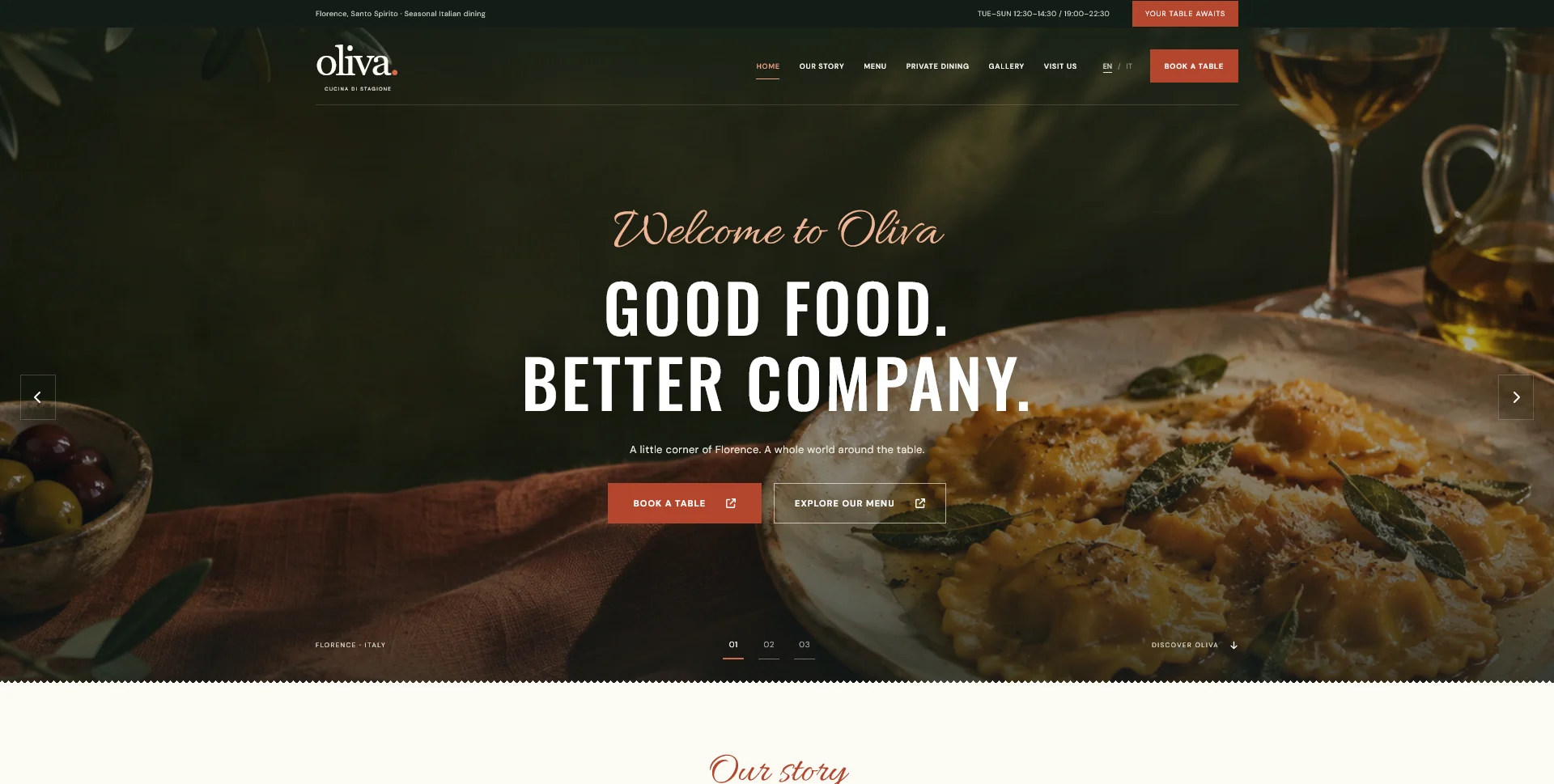
A personal restaurant website concept combining an expressive Italian dining atmosphere with a photographic menu, clear visit information and a demonstration reservation journey.
Oliva is a personal website concept for a fictional seasonal Italian restaurant in Florence. The project explores how an expressive dining atmosphere can sit alongside the practical information guests need: the food, the setting, the visit and the route towards a table.
The six-page site is designed and developed in HTML, CSS and JavaScript. It includes the homepage, restaurant story, menu, private dining, visit and demonstration booking page, and project/privacy notes. The supplied homepage screenshot shows the visual direction presented in the live concept.
This is a portfolio project, with fictional restaurant details and AI-generated imagery. It is not a commissioned restaurant website, and no commercial results or booking improvements are claimed.
A panoramic food image establishes the setting before the visitor reaches the first content section. Deep olive and dark green provide the background, while ivory and terracotta introduce contrast and warmth. The primary action remains visible against the photograph.
Allura provides the script accents, Oswald creates compact, expressive headings, and DM Sans supports navigation, menu information and longer text. The type choices have different jobs rather than competing for the same emphasis.
The homepage moves between light editorial sections and darker photographic bands. Story, seasonal food, the kitchen, private occasions and the gallery give the page a changing rhythm while shared margins and consistent image proportions keep the composition organised.
For another hospitality direction, compare Aster House, which uses a more restrained editorial approach for a Mediterranean retreat.
The opening places the menu beside the table-booking action. Guests can investigate the food before continuing, while people ready to act can identify the reservation route immediately. Private dining has a separate destination because arranging an occasion involves different questions from requesting an ordinary table.
Those choices connect directly with the guide to restaurant calls to action: the label and destination should reflect what the visitor has learned and what happens next.
The main structure follows the same planning principle as the essential restaurant website pages guide. Atmosphere gives the restaurant character; menu, visit and contact information make the next decision possible.
The full menu presents twelve demonstration dishes and drinks, each with its own image, description and price. Category controls and a vegetarian filter offer ways to narrow the selection. The unfiltered English content remains available without JavaScript.
Photographs also support the story, dining spaces and private occasions. The gallery opens larger views in a dialog, with keyboard dismissal and focus handling. The hero carousel is manually controlled, allowing the visitor to choose when its scene changes.
The imagery was generated for this fictional concept. A real restaurant should use approved photographs that accurately represent its food, people and spaces. The restaurant website photography brief explains how to plan those assets around their purpose on the page.
The booking and private-event forms demonstrate input, validation and an on-page summary. They do not send email, transmit personal information or reserve tables. Their messages explicitly identify the outcome as a simulation.
That boundary is intentional. It lets the interface demonstrate the proposed sequence without pretending that a restaurant team or reservation system has accepted a request. A live business implementation would need its actual provider, availability rules, delivery process and approved operating details.
The guides to reservation form fields and request confirmations develop the same distinction between what a guest enters and what the system can truthfully confirm.
English is the initial content in the HTML. An EN/IT control changes the interface to Italian and carries the selected preference between pages. This demonstrates language choice; it is not a separately indexed multilingual publishing structure. The multilingual restaurant website guide explains the additional decisions for a production site serving different languages.
Subtle entrances, image transitions and control feedback add movement while the hero carousel remains manual. The implementation responds to the reduced-motion preference and keeps content available without animation or JavaScript. On narrower screens, the layouts stack and the booking action remains accessible.
Local WebP assets, declared image dimensions and differentiated loading priorities support the frontend. The guides to mobile restaurant navigation checks and image optimisation explain how to evaluate those choices against actual guest tasks.
Open the Oliva live demo to explore the pages, menu filters, language control and clearly labelled demonstration forms.
Planning a restaurant website? SavianoDesign’s Website Design service covers agreed visual design, frontend development or a WordPress CMS route. Share your menu, imagery, editing needs and reservation process so the proposal can connect the visual direction with a useful guest journey.
Web Design
An editorial hospitality concept, combining a Mediterranean visual direction with responsive front-end development.
Web Design
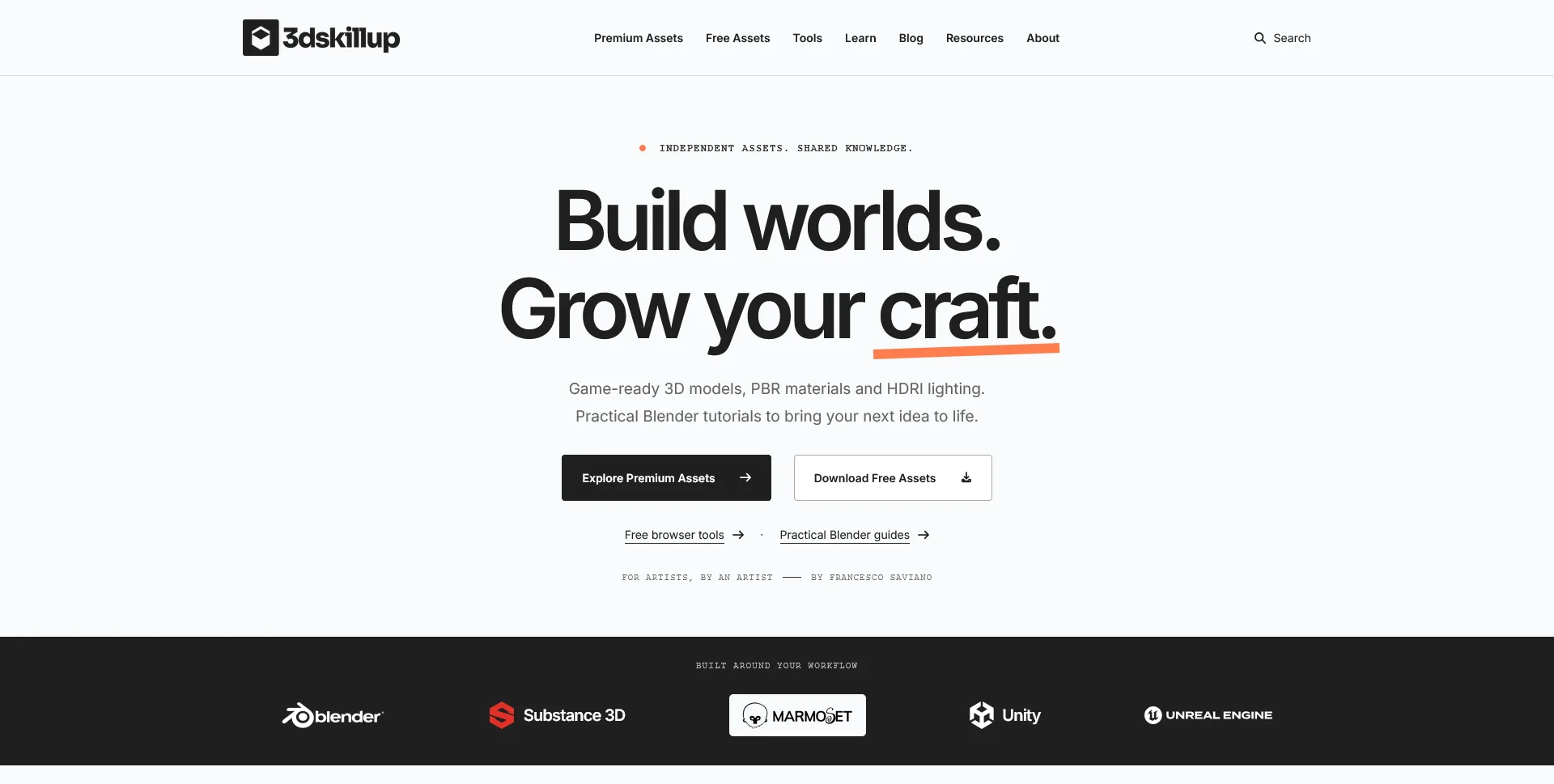
A separate creative platform bringing together game-ready 3D assets, practical tutorials and resources for artists.
Web Design
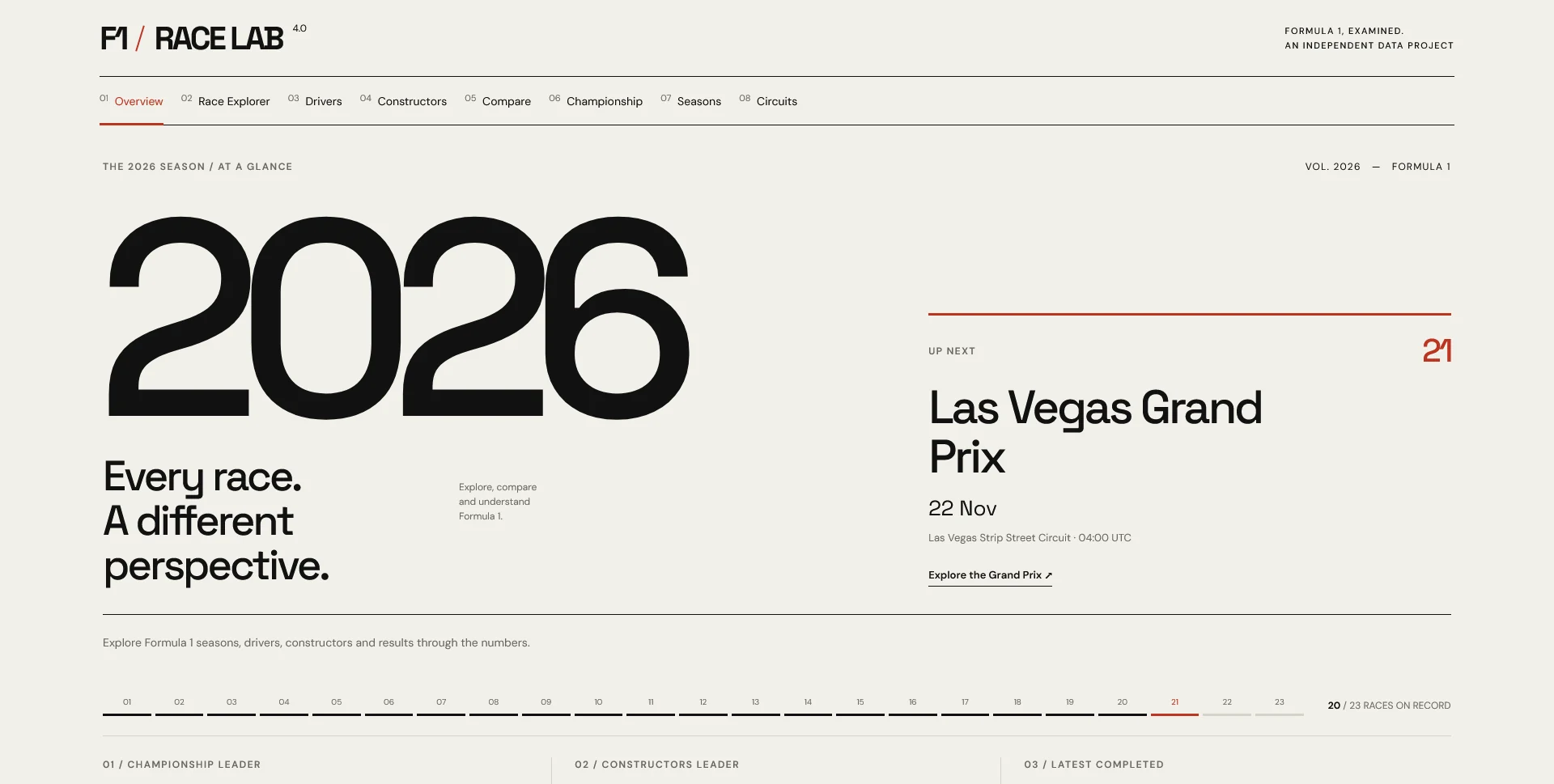
A self-initiated Formula 1 data explorer, bringing seasons, drivers and race results into a clear editorial interface.
Web Design · 6 min read
Plan restaurant website calls to action around guest decisions. Choose clear labels, useful positions and reservation routes that match what happens next.
Web Design · 6 min read
Prepare a restaurant website photography brief around food, rooms and visiting information. Plan essential shots, useful crops, approvals and the handover.
Web Design · 6 min read
Test restaurant website navigation on mobile with real guest tasks. Check menus, booking actions, contact routes and return paths beyond screen-size previews.
Next in Web Design
Nature ExplorerHave a website in mind?
A short outline is enough to start a conversation.
Discuss your project View my 99designs profile5.0 / 5 from 25 reviews on 99designs. Read client feedback.