Web Design
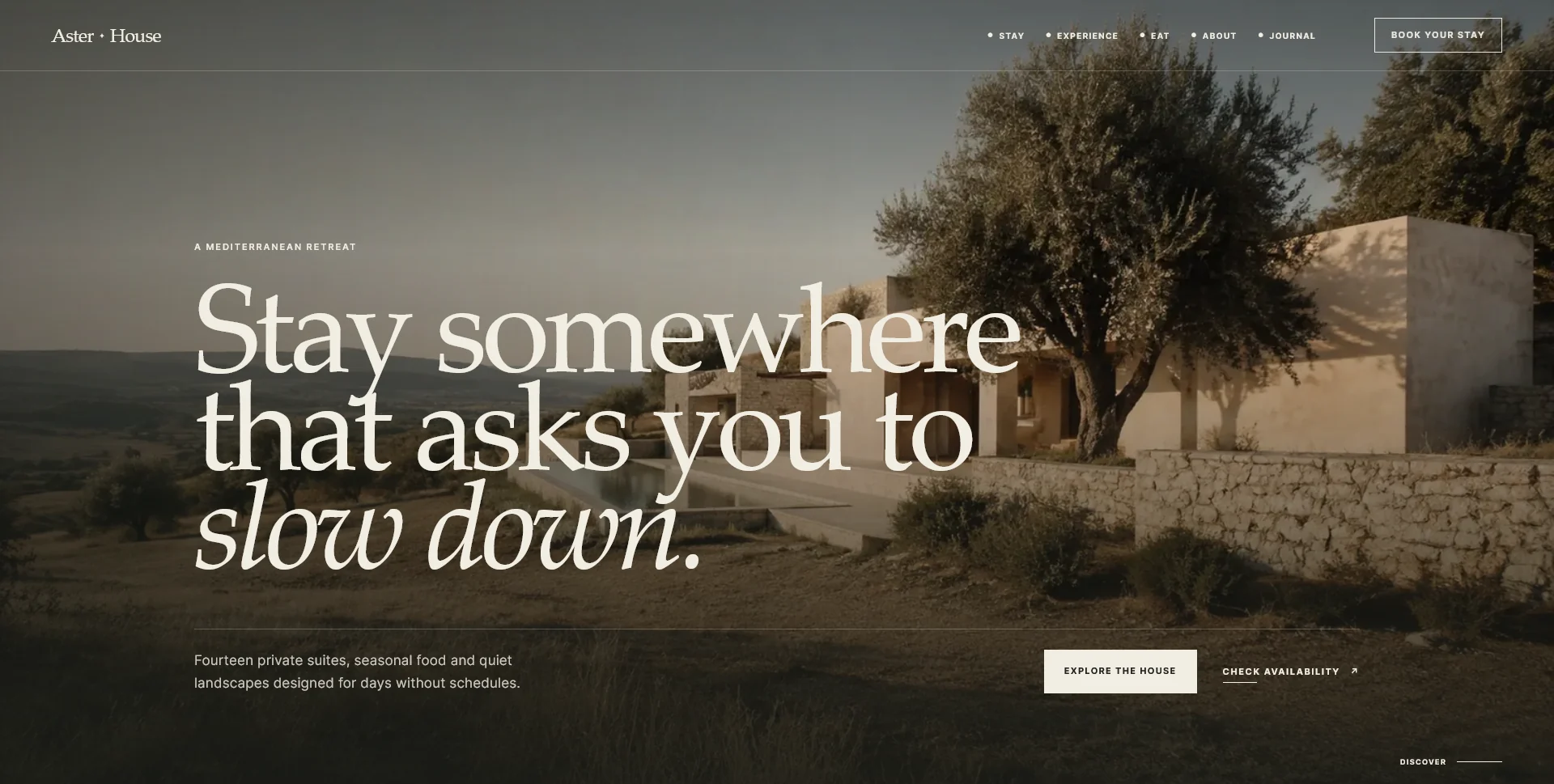
Aster House
An editorial hospitality concept, combining a Mediterranean visual direction with responsive front-end development.
 Let’s talk
Plan a small restaurant website that covers menus, visit details and reservations. Define a useful first phase, update owners and clear expansion triggers.
A small restaurant website can be a useful first phase if guests can understand the offer, read the menu, plan their visit and follow a reliable reservation route. Keeping the launch small should reduce the amount of work, not leave that journey unfinished.
The aim is to make deliberate choices about what belongs now and what can wait. A short, coherent site with current information is more useful than a larger one filled with empty sections, uncertain promises or features nobody is prepared to manage.
Describe one realistic visitor task from beginning to end. For example: someone discovers the restaurant, checks whether the food and location suit their evening, reviews the opening times and requests a table through the agreed channel.
The first release should support that whole sequence. It does not necessarily need a separate page for every step. The guide to essential restaurant website pages explains how to assign the information before deciding on the structure.
A practical first phase will usually need:
An elaborate gallery, editorial journal or loyalty feature can wait if none is needed to complete that journey.
Use a short release list instead of a long wishlist. For each proposed feature, ask what guest problem it solves now, what information it depends on and who will operate it.
| Proposed item | Include in the first phase when… | A reasonable later trigger |
|---|---|---|
| Private-dining page | The service is active and enquiries are being accepted | The offer, capacity and enquiry process are agreed |
| Second language | A defined audience needs it and translations can be maintained | Approved translations and an update owner are ready |
| Online ordering | A real operational need and suitable provider are in place | Ordering, fulfilment and support have been scoped |
| Events section | Confirmed events and a publishing routine exist | Someone can keep dates and expired content accurate |
| Rich photo gallery | Images materially help guests choose and are ready | Suitable photographs and permissions are available |
These decisions are specific to the restaurant. A second language may be essential from day one in one location and unnecessary in another. “Later” should mean a reasoned priority, not an automatic exclusion.
You do not need to build every future feature, but some early choices can reduce avoidable rework. Keep menu content organised consistently. Use clear page addresses. Choose an editing arrangement that fits the people who will maintain the site.
If a separate menu page is already justified, give it a stable destination that can also be used by printed QR codes or external profiles. Avoid naming a permanent menu page after a temporary campaign unless it really is a campaign destination.
When comparing one-page and multi-page restaurant websites, consider the next likely change. A short launch site can still link to a dedicated menu, and a future page can be added when its content is ready.
These choices can make expansion easier. They cannot guarantee that no redesign or technical migration will ever be needed.
If the restaurant already uses a suitable booking provider, linking to it may satisfy the first phase. If reservations are handled by telephone or manually reviewed requests, explain that process clearly.
Do not add a form solely to make the site look more complete. It needs message delivery, a recipient, useful feedback and an operating routine. A request that disappears into an unmonitored inbox is not an improvement over a well-explained telephone route.
Set expectations beside the action. If a request is reviewed before confirmation, say so. If the restaurant cannot reliably promise a particular response time, do not publish one just because it sounds reassuring.
The guide to explaining contact channels can help distinguish everyday reservation requests from group enquiries or time-sensitive questions.
“Add events later” is easy to forget. A more useful entry says: add an events page when the next programme is confirmed, with the manager supplying approved dates and updating cancellations.
For each deferred item, record:
This is especially useful for content that expires. The guide to handling upcoming and expired programme information shows why publishing a date also creates a responsibility to update it.
A phase list should remain editable. Real guest questions may reveal a more valuable next improvement than the one initially imagined.
If another language belongs in a later phase, define the complete guest task it will support and who will maintain it. The multilingual restaurant website guide prioritises menus, visit details, contact instructions and confirmation states together. Translating only the homepage can leave the important next step unfinished.
Before launch, ask someone unfamiliar with the restaurant to find the current menu, identify the correct opening time and follow the reservation route. Watch where they hesitate rather than explaining the interface to them.
Check the same tasks on a phone. Confirm that links reach the intended venue, contact details are correct and any test request reaches its recipient. If staff will edit the site, ask them to make a sample routine change in the agreed preview environment.
Record unresolved issues with an owner. A missing decorative photograph and a broken booking link have different effects on readiness; the latter interrupts the purpose of the site.
For the project sequence and approval points, use the restaurant website timeline guide.
Consider a new neighbourhood bistro with approved menu text, a few strong photographs and an existing reservation provider. Its first phase could contain a concise homepage, a menu page and visit information, with a consistent link to the provider.
A private-dining page could follow once the room offer, capacities and enquiry process are confirmed. An events section could follow only when someone is ready to publish and remove dated information.
The important saving comes from delaying work that is not ready to be useful. It does not come from leaving guests unable to find information they need now.
A small site is not automatically a disadvantage. Its pages still need useful, accurate content and sound implementation. Extra pages should answer real needs rather than repeat the same message to make the site appear larger.
No. Even a simple site needs someone to correct opening hours, menus and contact details. Technical maintenance depends on the platform and should also have an agreed owner.
SavianoDesign’s Website Design service can help define a focused starting scope and an appropriate design, frontend or WordPress CMS option. Bring the information needed for today’s guests and a separate list of later ideas.
We can use those priorities to discuss a first phase with clear responsibilities and sensible room for the next step.
Web Design
An editorial hospitality concept, combining a Mediterranean visual direction with responsive front-end development.
Web Design
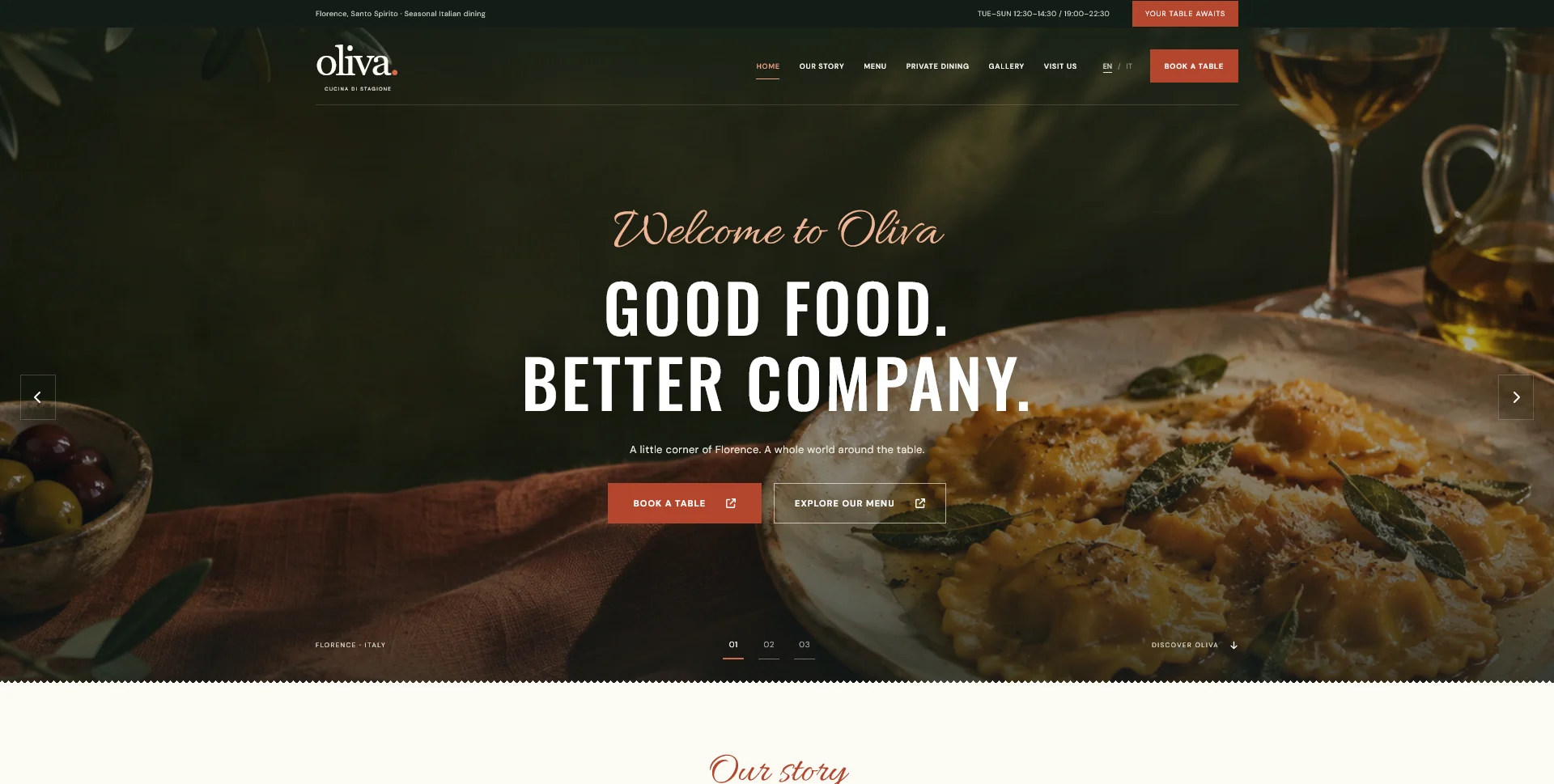
A personal restaurant website concept combining an expressive Italian dining atmosphere with a photographic menu, clear visit information and a demonstration reservation journey.
Web Design
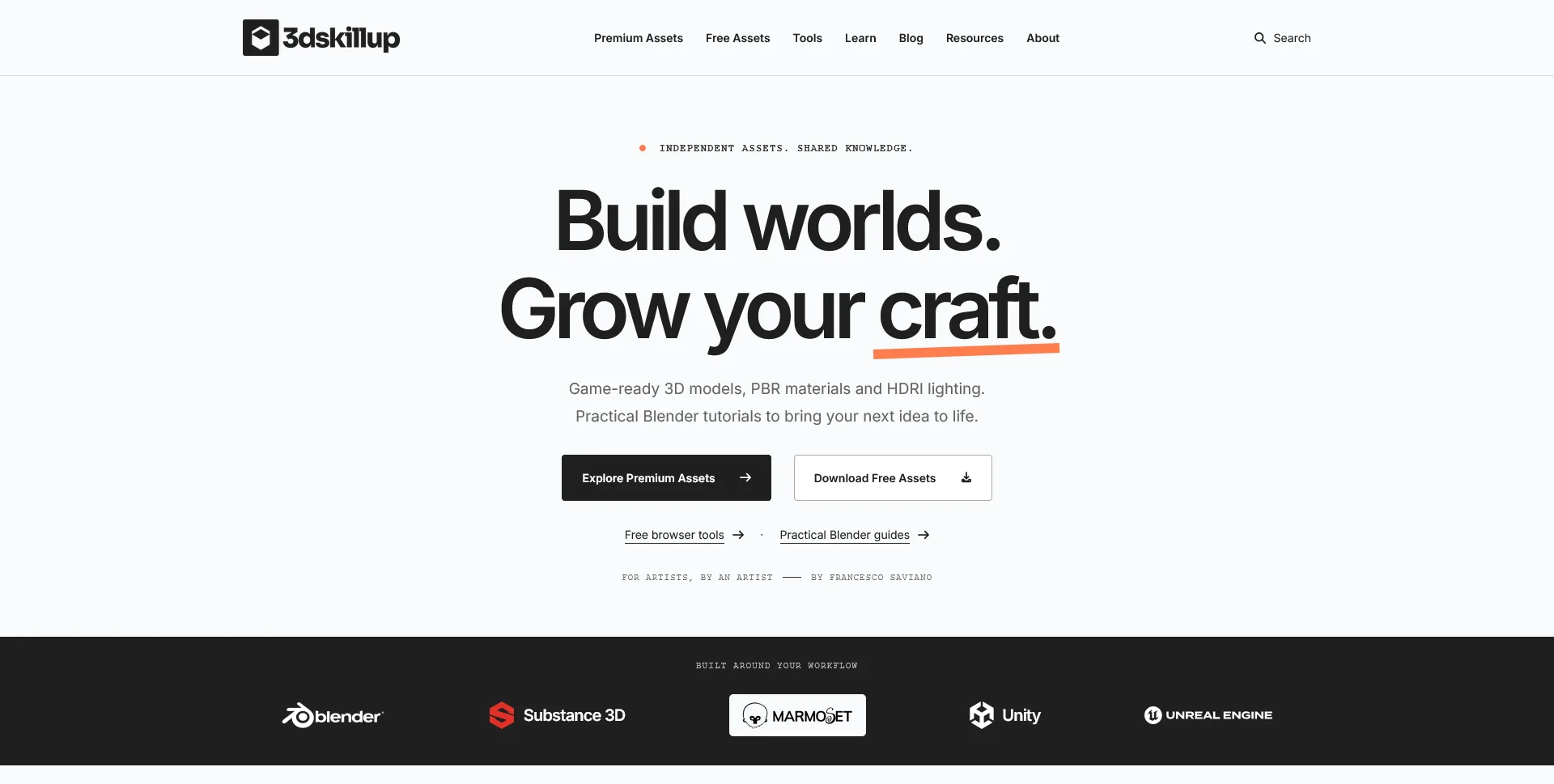
A separate creative platform bringing together game-ready 3D assets, practical tutorials and resources for artists.
Web Design · 6 min read
Prioritise translation for a multilingual restaurant website. Plan menus, visit details, contact instructions and confirmation states as one guest journey.
Web Design · 6 min read
Plan the essential pages for a restaurant website: menus, reservations, visiting information and the details guests need before requesting a table.
Web Design · 7 min read
Plan a realistic restaurant website timeline around content, approvals, development and booking tools. Define milestones and readiness checks before launch.
Have a website in mind?
A short outline is enough to start a conversation.
Discuss your project View my 99designs profile5.0 / 5 from 25 reviews on 99designs. Read client feedback.