Web Design
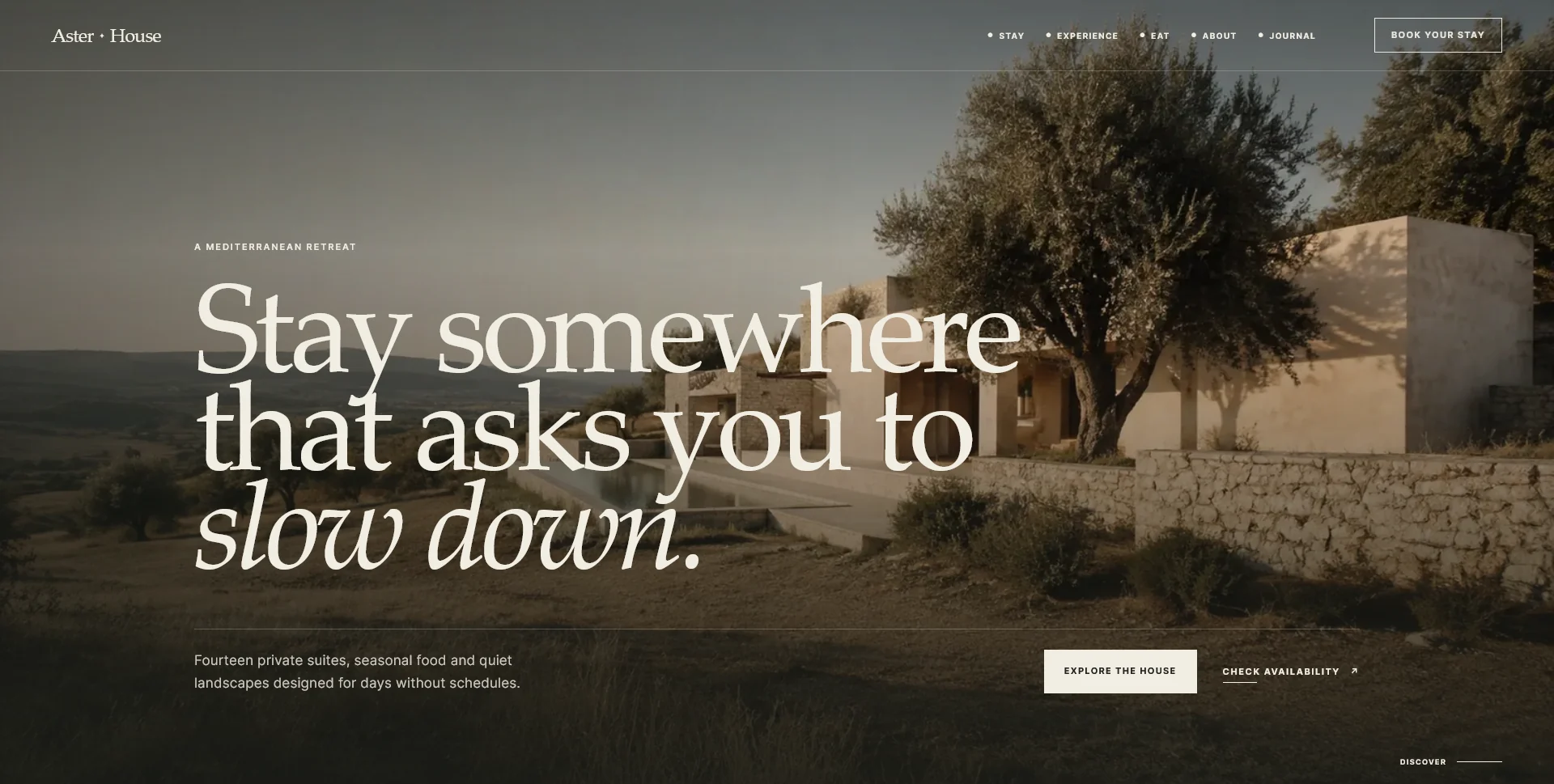
Aster House
An editorial hospitality concept, combining a Mediterranean visual direction with responsive front-end development.
 Let’s talk
Set useful restaurant website goals. Distinguish visits, booking clicks, enquiries and confirmed tables, then define reliable measures and review criteria.
A useful restaurant website goal connects a guest action to an operational outcome you can check. “Make it easier to submit a suitable reservation request” is more actionable than “get more traffic”, provided you define what counts as a request and what happens after it arrives.
A page view, a booking-button click, an enquiry and a confirmed table are different events. Treating them as interchangeable can make a website report look successful without showing whether the restaurant received more useful business.
Start with the way your restaurant actually takes bookings. Guests may use an external reservation provider, submit a request that staff review or call the restaurant. Some venues use different routes for ordinary tables and private dining.
Write a goal for one route at a time. For a manually reviewed form, an initial goal could be: help guests send reservation enquiries with the information staff need to respond. For an external provider, it could be: help guests reach the correct venue’s availability page with clear expectations.
Neither statement promises an increase before you have evidence. It defines what the website is meant to support and where measurement needs to continue.
Use names that describe what actually happened. Avoid reporting every interaction as a “booking conversion”.
| Step | What it tells you | What it does not prove |
|---|---|---|
| Relevant page visit | Someone loaded a page containing useful information | That they read it or intended to reserve |
| Reservation CTA click | Someone selected the next step | That the destination loaded or a request was sent |
| Submitted request | The agreed system received a completed enquiry | That the restaurant accepted it |
| Confirmed reservation | A booking was accepted under the restaurant’s process | That the guests attended |
| Attended reservation | The recorded party visited | That the website caused all associated revenue |
The boundaries matter when you compare periods. A redesign that changes a button label might affect clicks; changes in availability, staff response or seasonality can affect later outcomes.
The guide to contact-page response expectations explains how to communicate the distinction between a received enquiry and a confirmed arrangement.
For a reservation enquiry, staff may need a preferred date, time, party size and a way to respond. The necessary fields depend on the process. Do not collect extra information merely because the form allows it.
Agree how incomplete requests, duplicates, spam and enquiries for unavailable services will be recorded. Keep the definition consistent so a change in counting does not look like a change in performance.
For example, a “complete reservation enquiry” might mean a genuine request that includes the minimum details needed for staff to assess it. It does not mean that a table is available, the request is profitable or the guest will attend.
Clear form labels and instructions support that goal. The W3C guidance on form instructions explains how to communicate required information and input expectations. A vague placeholder should not be the only explanation of an important field.
When requests repeatedly concern unavailable services, unclear group arrangements or the wrong venue, review the explanation before changing the target. The guide to more useful restaurant enquiries shows how to locate these gaps and clarify them near the relevant decision. A lower count of avoidable questions can be more useful than an increase in unsuitable submissions.
Start with the evidence available from your website, reservation provider and operating records. Do not invent a full journey when the systems only show part of it.
An external provider may report completed bookings, or it may expose only limited information. If you can measure a click leaving your site but cannot observe what happens next, label it as an outbound booking click. Do not rename it a completed reservation.
Similarly, a telephone-link click is not proof of a connected call or a booking. It can be a useful signal, but its limits should remain visible.
Search Console adds a different view. Its performance report describes search impressions, clicks and related search metrics. Those can help you understand discovery through Google; they do not tell you how many tables were confirmed.
For the distinction between visits, intent and useful outcomes in another service setting, see how to choose meaningful consultation-page success metrics.
Before implementation, record the action, data source, definition, review period and person responsible for checking it. Include what you cannot observe reliably.
A small brief might say: count successfully received reservation enquiries from the website form each calendar week; review completeness using an agreed checklist; record confirmations in the restaurant’s booking system; and keep duplicates separate.
If analytics events are implemented, do not send guest names, email addresses, phone numbers or free-text reservation messages as event labels or URLs. Decide on appropriate privacy and consent arrangements for the actual tools and jurisdiction with qualified support where needed. The measurement plan should collect only what is necessary for its purpose.
Keep submission reliability separate from marketing attribution. A request should reach the restaurant even when an optional analytics event is unavailable or blocked. Test the actual receipt of the enquiry, not only whether a dashboard number increases.
First establish whether the current route works and whether your counts are dependable. Then collect enough comparable observations to understand normal variation. A quiet weekday and a holiday weekend are not interchangeable periods.
For a purely illustrative example, suppose a restaurant records 24 genuine website enquiries during a defined period. Eighteen contain the details staff need, and 12 are confirmed after availability is checked. The useful questions include why six enquiries lacked information and why complete enquiries were not confirmed.
It would be misleading to treat all 24 as bookings or blame the website for every non-confirmation. Some requests may be for full services or unsuitable times. Improving the form could reduce missing details without changing the restaurant’s available capacity.
If you calculate a rate, state the numerator and denominator. “Complete enquiries divided by all genuine received enquiries in the same period” answers a different question from “confirmed reservations divided by all site visitors”. Use a denominator your systems can measure consistently.
Different problems suggest different responses. If guests repeatedly ask where the restaurant is, improve visit information. If they request a service that is not offered, clarify the offer before the form. If they reach a wrong provider page, correct the destination before changing the button colour.
Use the essential restaurant website page plan to place missing information where the decision occurs. If the process itself is unclear, revisit the brief and the responsibilities included in the website service.
Choose a small number of meaningful changes, record when they were introduced and review the same measures afterwards. An observed difference can be useful without proving that design alone caused it.
They can support a discovery objective, but they do not by themselves show reservation intent or useful enquiries. Pair traffic information with a defined guest action and the outcome you can actually observe.
No. Availability, pricing, the dining offer, seasonality, reputation and operations also matter. A design project can commit to specific deliverables and tested journeys; business outcomes need honest measurement.
SavianoDesign’s Website Design service can help organise the information and interface around a clear guest action. Share your current reservation process, the recurring questions staff receive and any measurements you already have.
We can use that evidence to define the website’s role, the scope of the work and the checks that will show whether the agreed journey functions as intended.
Web Design
An editorial hospitality concept, combining a Mediterranean visual direction with responsive front-end development.
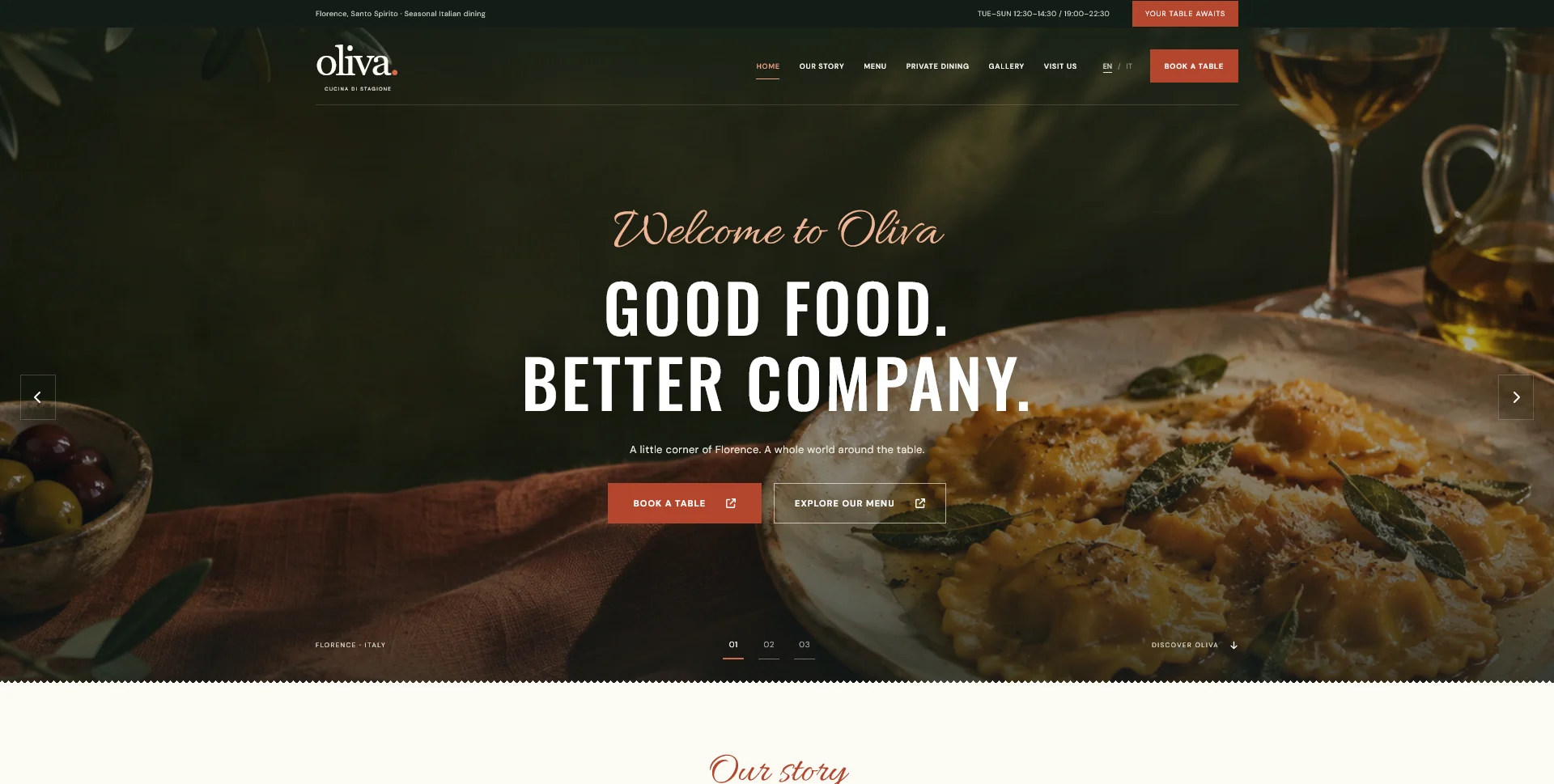
Web Design
A personal restaurant website concept combining an expressive Italian dining atmosphere with a photographic menu, clear visit information and a demonstration reservation journey.
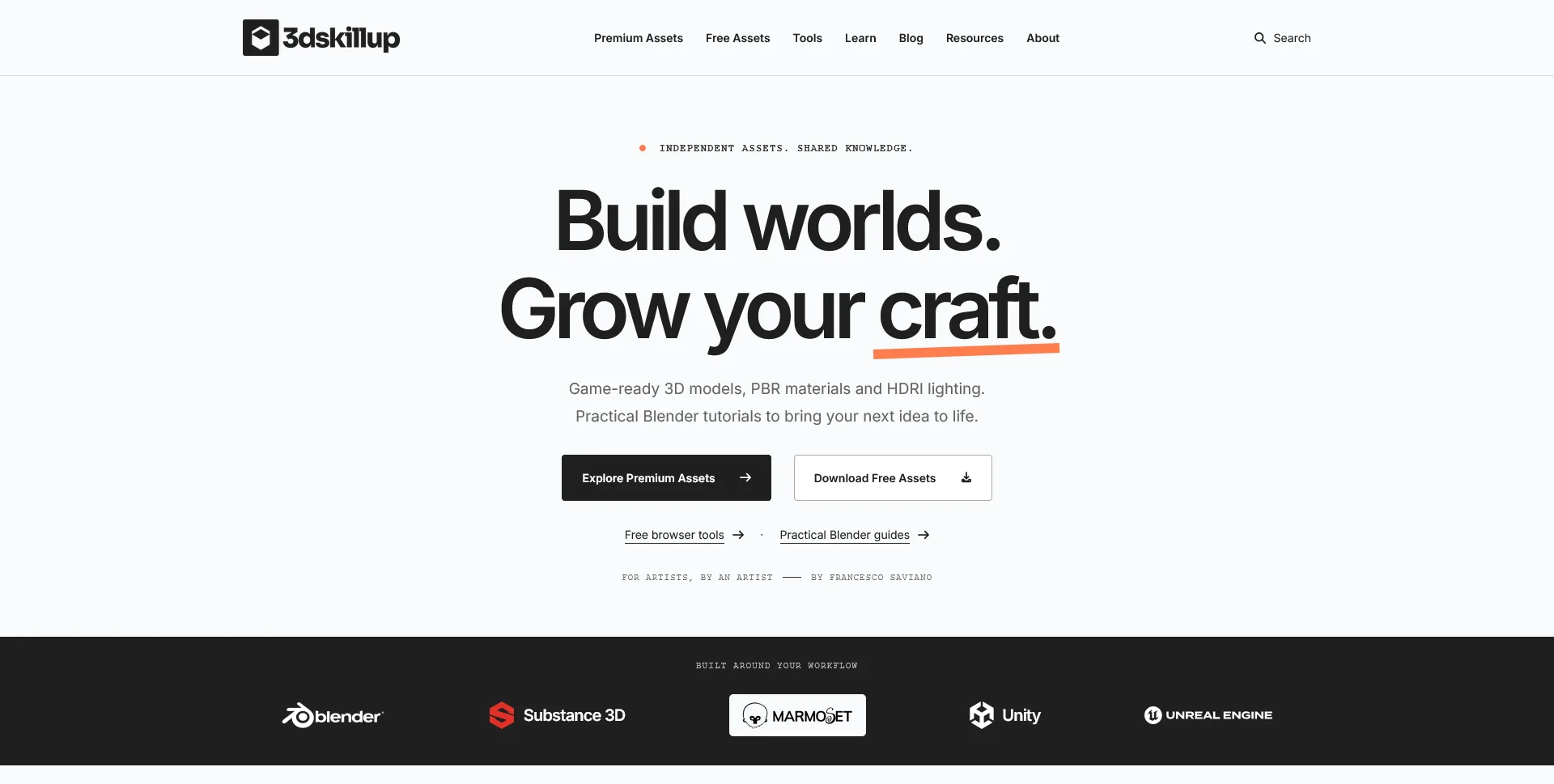
Web Design
A separate creative platform bringing together game-ready 3D assets, practical tutorials and resources for artists.
Web Design · 6 min read
Reduce avoidable confusion in restaurant enquiries by clarifying menus, party sizes, contact routes and service limits before guests request a reservation.
Web Design · 6 min read
Plan the essential pages for a restaurant website: menus, reservations, visiting information and the details guests need before requesting a table.
Web Design · 6 min read
Choose restaurant website design, frontend development or a CMS build. Clarify deliverables, booking responsibilities, editing and the final handover.
Have a website in mind?
A short outline is enough to start a conversation.
Discuss your project View my 99designs profile5.0 / 5 from 25 reviews on 99designs. Read client feedback.