Web Design
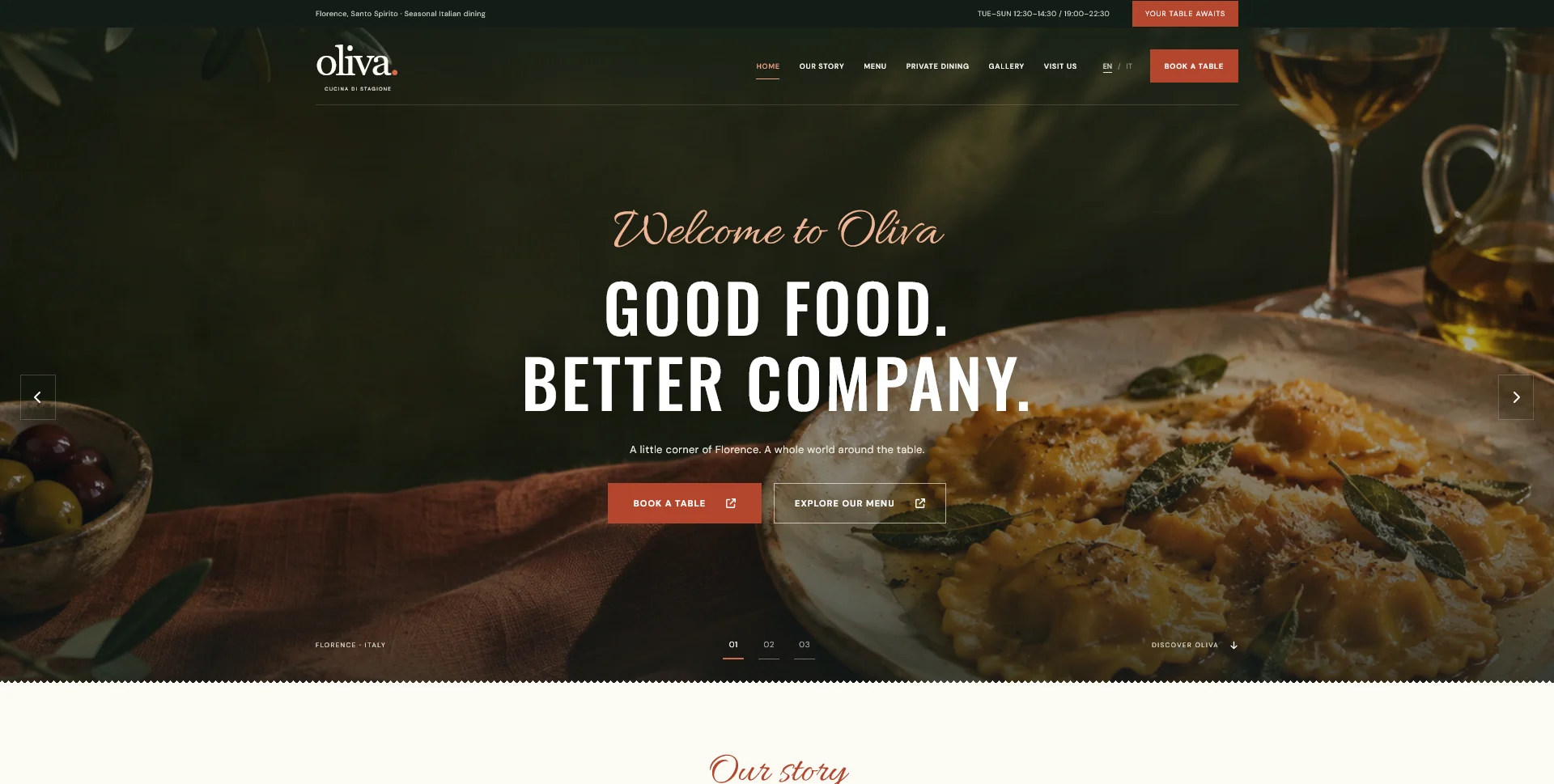
Oliva
A personal restaurant website concept combining an expressive Italian dining atmosphere with a photographic menu, clear visit information and a demonstration reservation journey.
 Let’s talk
Choose restaurant website design, frontend development or a CMS build. Clarify deliverables, booking responsibilities, editing and the final handover.
Hire website design only when you have someone who can turn the approved design into a working site. Choose a broader build scope when you also need implementation, an editing setup and a defined handover. The phrase “complete restaurant website” is useful only when the proposal explains what completion includes.
A polished layout, a published website and a functioning reservation process are different deliverables. Clarifying their boundaries before commissioning work helps you avoid an attractive design that no one is ready to build, or a live site whose important tasks have no owner.
List who will contribute to the project: the restaurant’s decision-maker, the person supplying content, a designer, any developer and the provider of the reservation system. One person may cover several roles, but each responsibility still needs a name.
Next, record the existing website platform and the booking method. A restaurant that already has a reliable developer and booking service has a different requirement from a new venue with neither.
If you cannot yet describe the pages and guest journeys, begin with the essential pages for a first restaurant website. Choosing the service becomes easier once you know what needs to be delivered.
A design-only project generally provides the agreed visual and interaction design for someone else to implement. At SavianoDesign, this means an agreed Figma deliverable covering the scoped desktop and mobile layouts.
The brief should specify which pages or reusable layouts are included, which screen states need attention and how design decisions will be handed over. A menu page, an enquiry form and a confirmation message can each require more than a single static screenshot.
Design-only can fit when:
A clickable design prototype can demonstrate a journey, but it is not a live reservation system. Sending a real enquiry, storing data or checking availability requires implementation and, where relevant, a suitable external service.
Design with frontend development turns the agreed interface into working HTML, CSS and JavaScript. It can cover responsive layouts, navigation and the interactions included in the scope.
This does not automatically create a CMS, server-side form processing, a booking database or payment handling. A form visible in a browser still needs an agreed delivery mechanism if a restaurant is to receive submissions.
Ask what “ready to use” means for the specific handover. It may mean source files ready for deployment, or it may include publication if that work is agreed. Hosting, domain access, ongoing updates and third-party services should be named separately rather than assumed.
This route can suit a restaurant with relatively stable information and a clear plan for publishing and maintaining a static website.
A content management system is relevant when the restaurant needs to edit information routinely without working directly with source files. Typical tasks include changing menu items, replacing seasonal copy and updating opening hours.
A useful CMS setup is organised around those tasks. It should be clear which fields staff can edit, how changes are previewed and what happens if content becomes longer than expected. “You can edit everything” is less practical than demonstrating how to publish the next menu correctly.
SavianoDesign offers a WordPress CMS option using Themify, with a tailored scope. Confirm the content structure, training, licences, hosting arrangements and ongoing support during the brief. A separate Figma phase and additional functionality should be agreed where required.
For the design starting point within that platform, see restaurant website templates versus custom design.
A restaurant website may link to an existing booking provider, collect a reservation request or display a telephone number. Those routes have different requirements.
For an external provider, confirm who owns the account, who configures availability and who tests the link. For a request form, confirm who implements delivery, who receives the message and who confirms the table. The wording must match that process.
| Part of the project | Responsibility to agree | Evidence at handover |
|---|---|---|
| Menu and opening hours | Restaurant approves; agreed person publishes | Current information is visible in the right places |
| Interface design | Designer defines the scoped pages and states | Approved layouts and usable source files |
| Implementation | Named developer or build provider | Working pages on the agreed hosting setup |
| Reservation route | Website implementer plus restaurant or provider | Tested destination and accurate next-step wording |
| Updates after launch | Restaurant, support provider or both | Access, instructions and a clear support boundary |
Treat this as a discussion aid, not a fixed staffing model. The point is to prevent tasks from falling between suppliers.
The guide to contact-page response expectations explains why a request acknowledgment should not imply a confirmed outcome. The same distinction matters when someone asks for a table.
Before choosing an integration, agree which restaurant contact channel should take priority. Email, phone and an online booking provider create different expectations for delivery and staff follow-up. The Oliva portfolio project demonstrates a reservation interface, while a business commission must also define and implement the real operational route.
Replace “everything included” with a short acceptance list. For example: the approved menu is readable on mobile; the reservation link reaches the correct venue; a test enquiry reaches the agreed recipient; staff can update the opening hours; and the handover includes the promised files and access.
Include an unsuccessful or incomplete submission in the test where forms are part of the scope. A visitor should understand what needs correcting and whether a message was actually sent.
Agree who approves each item and how problems found during the agreed review period will be handled. New requirements are different from correcting a scoped feature that does not work as agreed.
Use this list when comparing restaurant website quotes so that a design-only offer is not mistaken for a like-for-like alternative to an implemented CMS site.
Yes, provided the design accounts for the intended platform and the handover is sufficiently clear. Involving the future implementer early can reveal constraints before layouts are approved. A long delay may require revisiting content or technical assumptions.
Not automatically. It provides an editing environment. Booking functionality may come from a separate provider or another explicitly scoped integration, with its own account, configuration and costs.
A single supplier can simplify coordination, but the essential requirement is clear ownership. Several specialists can also work effectively when their deliverables, dependencies and handover points are agreed.
Review SavianoDesign’s Website Design options and deliverables to compare design-only, frontend and WordPress CMS work. Then share your current platform, available technical help and the way you take reservations.
That information gives us a concrete basis for discussing the work you need, the responsibilities you already have covered and any specialist support the project may require.
Web Design
A personal restaurant website concept combining an expressive Italian dining atmosphere with a photographic menu, clear visit information and a demonstration reservation journey.
Web Design
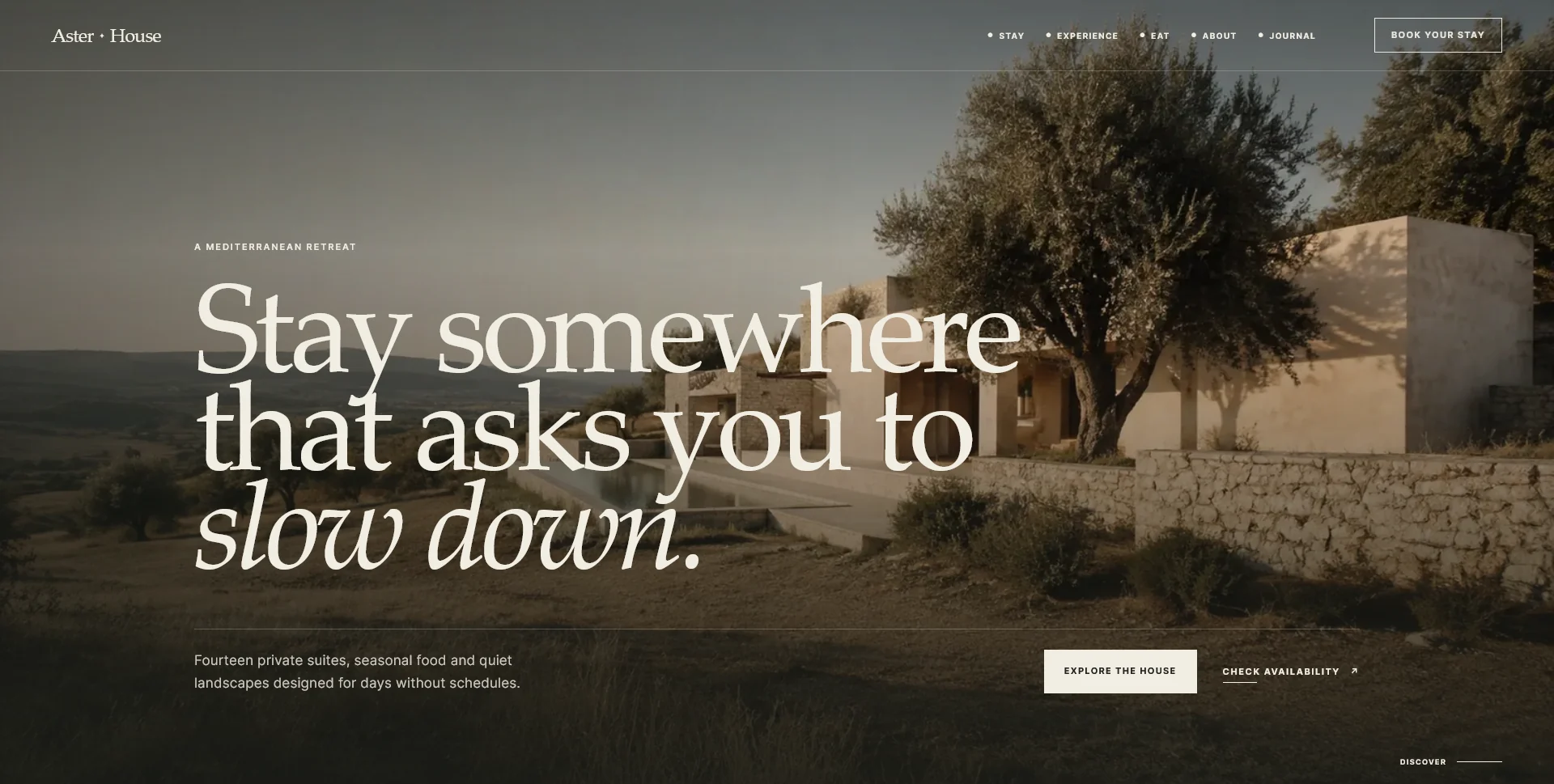
An editorial hospitality concept, combining a Mediterranean visual direction with responsive front-end development.
Web Design
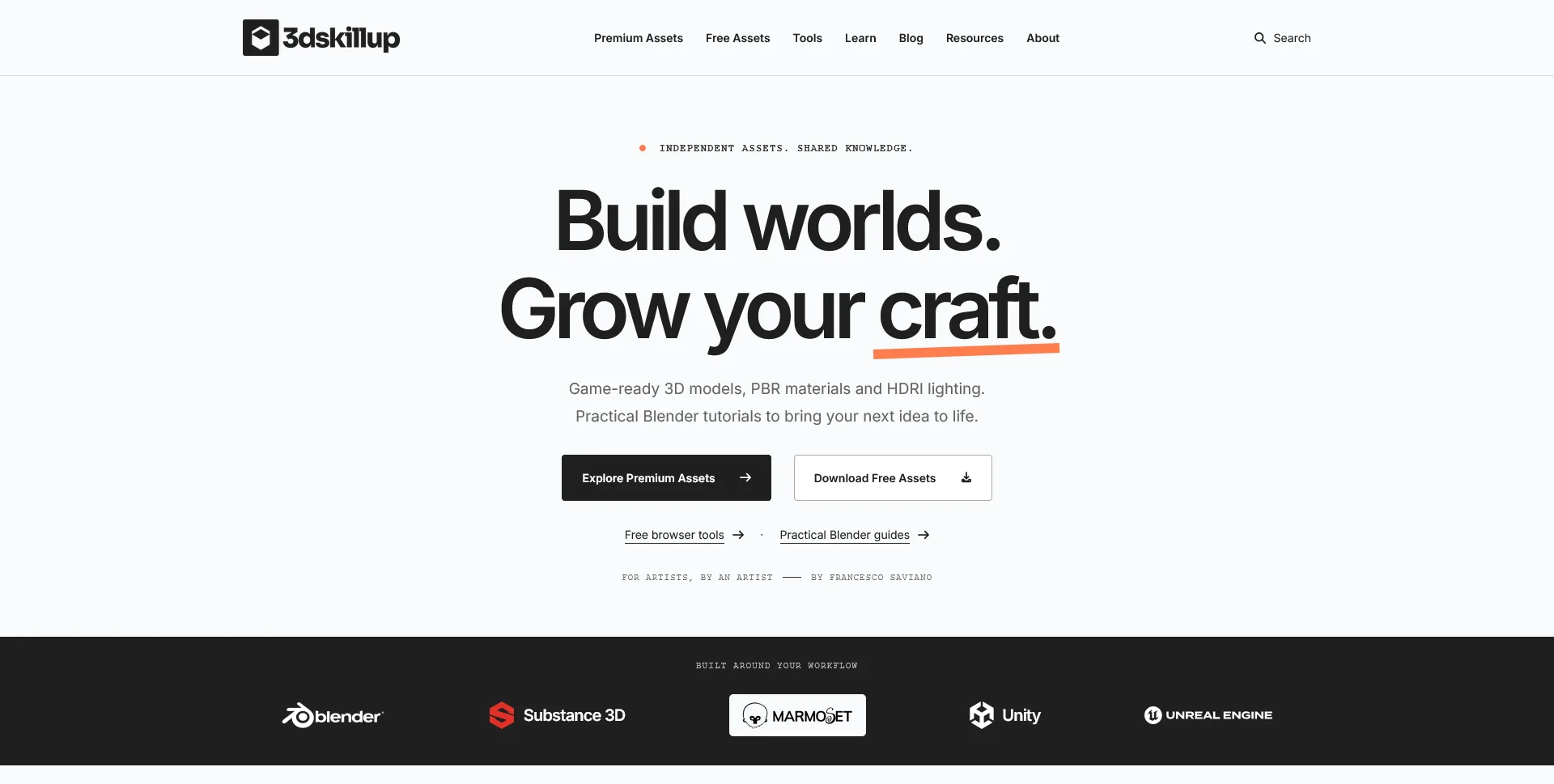
A separate creative platform bringing together game-ready 3D assets, practical tutorials and resources for artists.
Web Design · 6 min read
Decide when a restaurant website should prioritise email, phone or online booking. Match each route to guest needs, staff availability and actual follow-up.
Web Design · 6 min read
Compare restaurant website quotes with a clear scope checklist covering design, content, development, recurring costs, revisions and launch responsibilities.
Web Design · 6 min read
Compare a restaurant website template with custom design. Test real menus and photos, assess editing needs and understand what each approach includes.
Have a website in mind?
A short outline is enough to start a conversation.
Discuss your project View my 99designs profile5.0 / 5 from 25 reviews on 99designs. Read client feedback.