Web Design
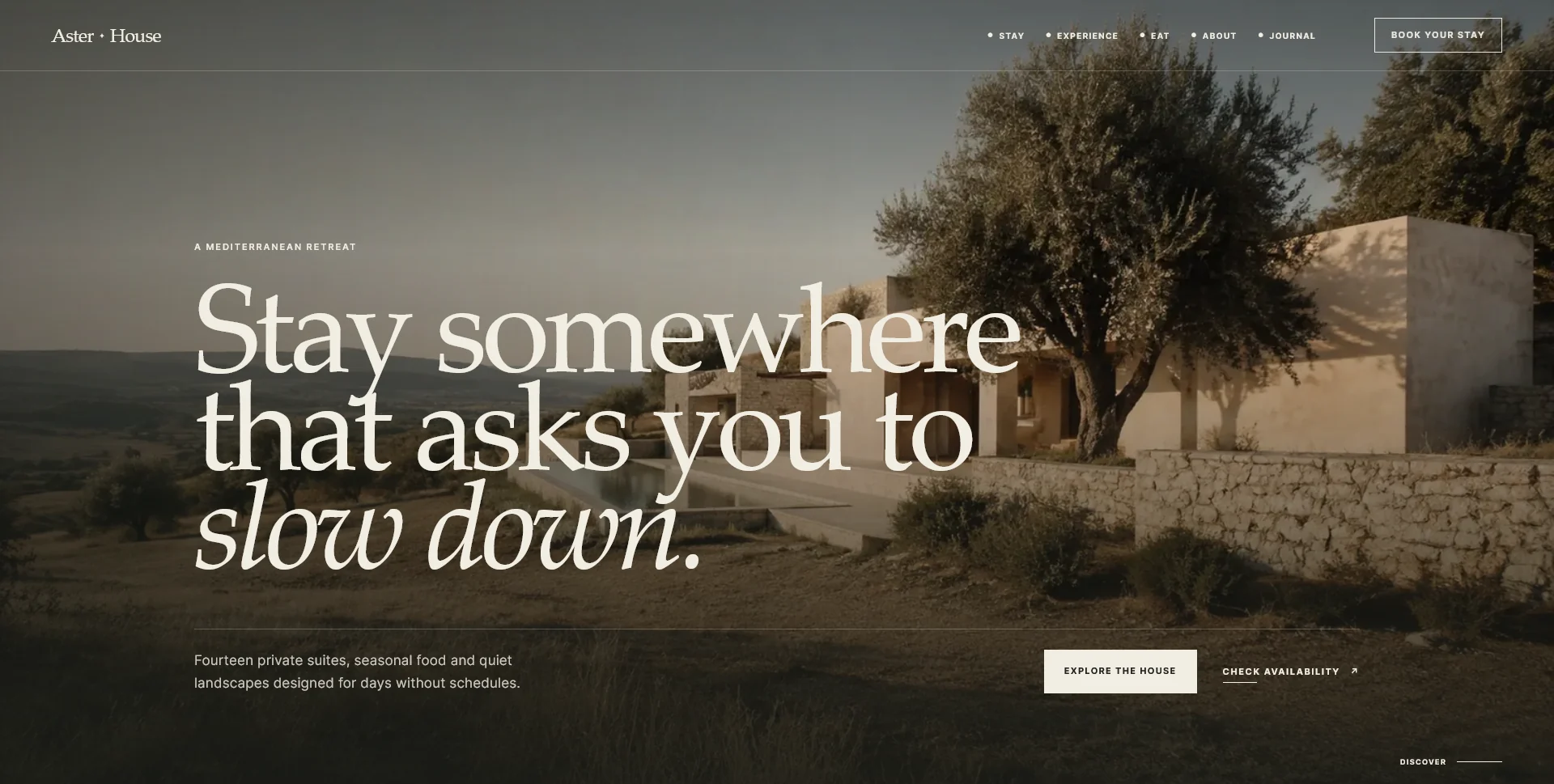
Aster House
An editorial hospitality concept, combining a Mediterranean visual direction with responsive front-end development.
 Let’s talk
Decide whether your restaurant website needs a refresh or a rebuild. Assess content, editing, booking routes and the work needed to protect existing URLs.
A restaurant website does not need to be rebuilt simply because it looks dated. Refresh it when the underlying structure and editing tools still fit; consider a rebuild when those foundations prevent the restaurant from publishing accurate information or supporting its booking process. The right decision starts with the problems guests and staff encounter.
An unclear opening message, an outdated menu and a reservation link that goes to the wrong destination are different problems. Changing colours will not resolve all three, but replacing the entire platform may be unnecessary too. This guide helps you separate content repairs, a visual redesign and a technical rebuild before requesting a quote.
Ask a few people unfamiliar with the restaurant to complete realistic tasks: find the dinner menu, check Sunday service times and explain how a table is confirmed. Observe the route they take instead of asking whether they like the design.
Then ask the person maintaining the site to change a price, publish holiday hours and update the reservation link. The guest experience and the editing experience both matter. A site that looks acceptable but takes outside help for every weekly change may no longer fit the way the restaurant works.
Record each issue as a specific observation. “The site feels old” is difficult to estimate. “The mobile menu button is obscured, and staff cannot update the dinner menu” identifies two pieces of work that can be investigated.
Turn a general complaint such as “the mobile site is confusing” into a reproducible task. The restaurant mobile-navigation testing guide covers finding the current menu, choosing the right contact route and returning from a booking provider. These observations help distinguish a local navigation fix from a wider structural problem.
The terms redesign and rebuild are often used loosely. Ask every supplier to define what they mean.
| Intervention | What it changes | When it may be enough |
|---|---|---|
| Content and usability repair | Text, navigation labels, links, image choices and small layout issues | Guests are missing information, but the existing system can publish it reliably |
| Visual and structural redesign | Page layouts, hierarchy and content organisation, using a viable technical foundation | The platform works, but the site presents the restaurant poorly or makes common tasks difficult |
| Technical rebuild | Templates, implementation, CMS or hosting arrangements as agreed | The existing setup cannot support the required editing, structure or integration without disproportionate work |
These options can overlap. A technical rebuild usually still needs content decisions, and a redesign can require some development. The comparison is about the work involved, not the label on the proposal.
If the main concern is appearance, the guide to effective design beyond visual complexity helps frame the discussion around clarity and usefulness.
Before replacing anything, inventory the current pages and what they do. Include pages reached directly from search, printed QR codes, social profiles, email campaigns and booking-provider links.
Useful material may include:
Use analytics and Search Console as evidence where available, while distinguishing page visits from completed reservations. Low traffic alone does not prove the website needs rebuilding; discovery may be the limiting factor. The guide to restaurant website goals explains how to separate these signals.
A rebuild becomes more plausible when the problems are structural. Perhaps the restaurant cannot access its own account, the current layout cannot present separate menus clearly, or the required editing workflow depends on unsupported components.
Ask a developer to assess these conditions rather than assuming that every old site is unsafe or unfixable. The investigation should identify the actual limitation, a repair option where possible and the implications of moving.
Check the reservation service separately. A broken provider account or incorrect availability settings may remain broken after a new website launches. Replacing the frontend does not automatically repair the operational system behind it.
For WordPress sites, maintenance also deserves its own discussion. The official WordPress upgrade guidance recommends backing up before updates. An agreed plan for updates and recovery is an ongoing responsibility, whether the visual design is refreshed or replaced.
Prepare one common scope before asking for a refresh price and a rebuild price. List the required pages, content changes, mobile behaviour, editing needs and reservation destination.
Ask each proposal to identify what is retained, what is replaced, what must be supplied by the restaurant and what happens after launch. A lower price is difficult to interpret if it excludes content migration or assumes the owner will rebuild the menu manually.
The restaurant website quote comparison guide provides a practical checklist for those differences. Include the cost and disruption of moving as well as the initial design work.
A replacement also needs a clear design approach. Compare restaurant website templates and custom design using the content and editing requirements from the same brief, rather than assuming that a rebuild must start from a blank technical foundation.
Changing platforms does not always require changing the domain or every page address. Keep useful URLs when the new structure allows it. When a URL must change, map it to its closest relevant replacement and test the redirect.
Google’s site-move guidance recommends planning URL mappings, updating internal links and using permanent redirects for moved pages. Sending every old menu or event URL to an unrelated homepage is not a substitute for that planning.
Also check links outside the website. A printed menu QR code, a Google Business Profile menu link and a saved booking link may still point to the old destination. The handover should include an explicit list of items to update or preserve.
Consider a fictional family restaurant whose site has readable mobile pages and an editing system the manager uses confidently. Its main problems are old photographs, confusing dinner hours and a reservation button buried near the footer. A focused content and design refresh is a reasonable option to investigate first.
Now consider a different restaurant whose menus exist only as embedded images, whose page layout cannot be changed, and whose staff need a new multilingual structure. A rebuild may be justified because the required changes reach beyond presentation.
Neither example proves which route your restaurant needs. It shows the evidence that should drive the decision. If the launch is urgent, identify the smallest safe improvement now and plan the remaining work with a realistic project timeline.
There is no automatic improvement. Better content and a usable site can help visitors, but a migration introduces work around URLs, indexing and continuity. Ask for a migration plan rather than a ranking promise.
Often yes, subject to access, compatibility and the agreed scope. Confirm both early instead of treating a new website as a requirement to replace every connected service.
My Website Design service can start with an existing site or a new brief. Send the current URL, the problems you have noticed and what staff need to update. We can define the design and implementation work before committing to a larger rebuild.
Web Design
An editorial hospitality concept, combining a Mediterranean visual direction with responsive front-end development.
Web Design
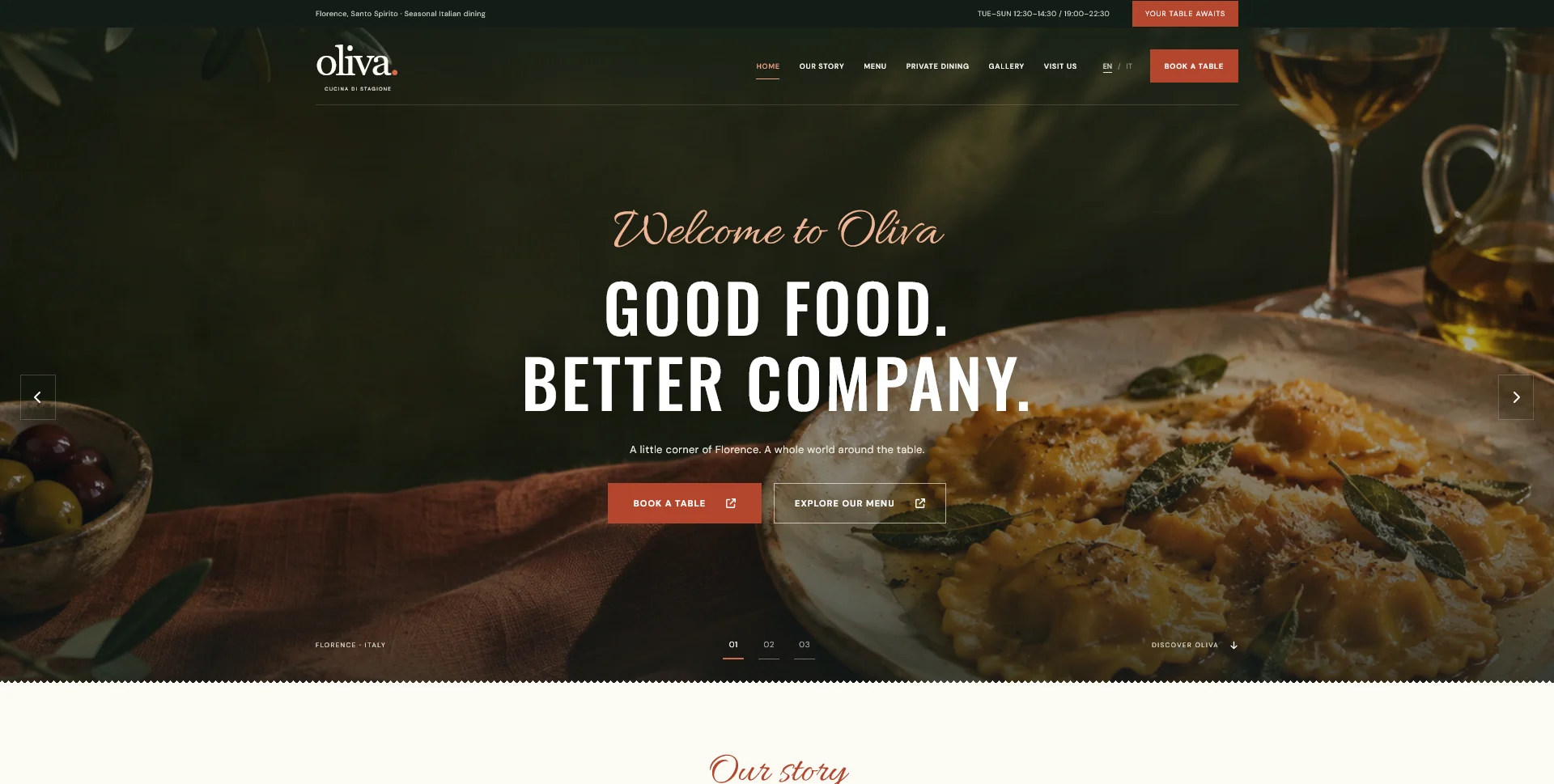
A personal restaurant website concept combining an expressive Italian dining atmosphere with a photographic menu, clear visit information and a demonstration reservation journey.
Web Design
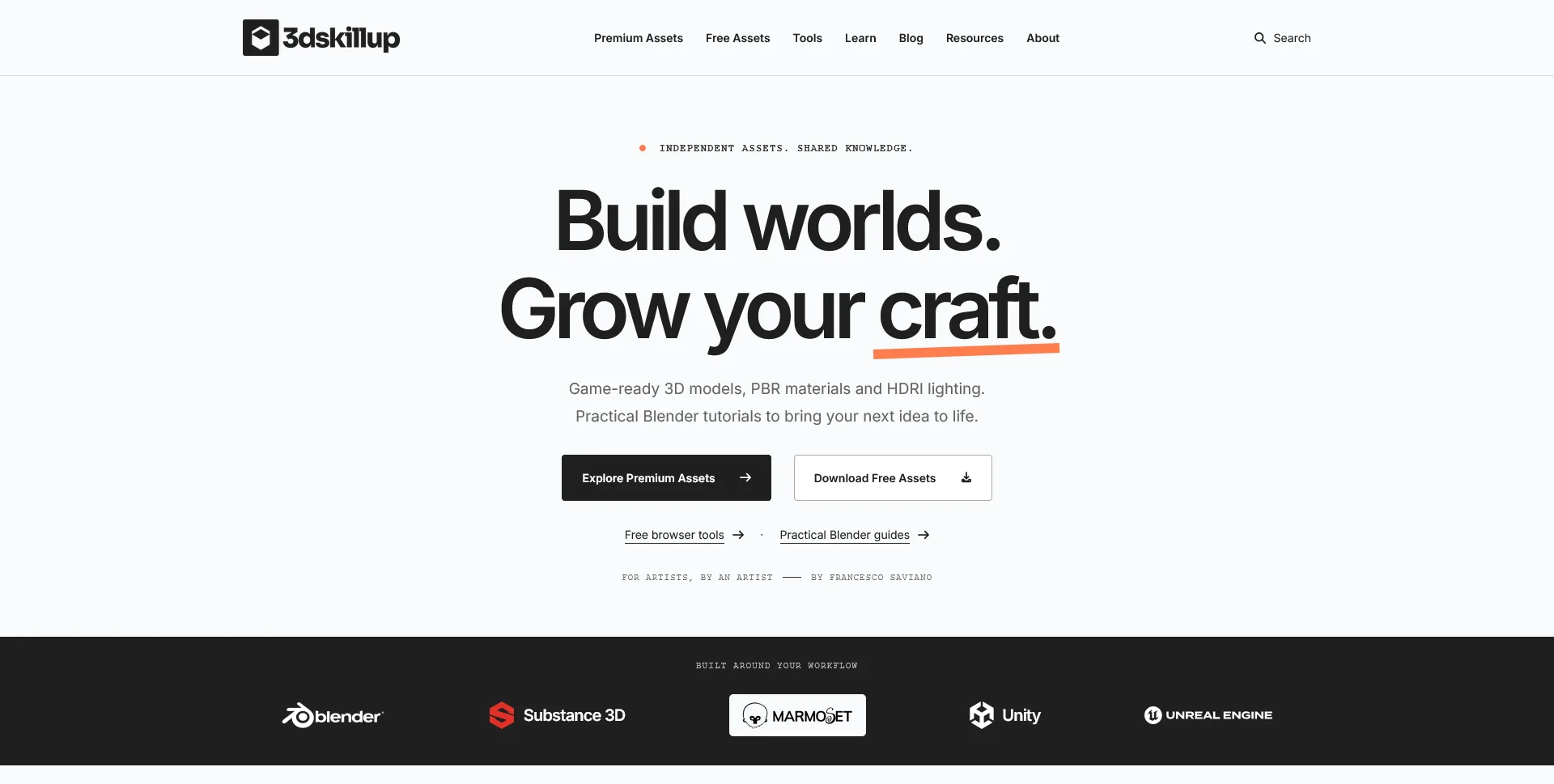
A separate creative platform bringing together game-ready 3D assets, practical tutorials and resources for artists.
Web Design · 6 min read
Test restaurant website navigation on mobile with real guest tasks. Check menus, booking actions, contact routes and return paths beyond screen-size previews.
Web Design · 6 min read
Compare restaurant website quotes with a clear scope checklist covering design, content, development, recurring costs, revisions and launch responsibilities.
Web Design · 7 min read
Plan a realistic restaurant website timeline around content, approvals, development and booking tools. Define milestones and readiness checks before launch.
Have a website in mind?
A short outline is enough to start a conversation.
Discuss your project View my 99designs profile5.0 / 5 from 25 reviews on 99designs. Read client feedback.