3DSkillUp
Web Design

Write a local business homepage headline that reflects your offer today. Keep useful heritage, clarify your services and support the message with evidence.
An established local business can outgrow its homepage without changing its name. The team may now take on larger projects, serve a different audience or specialize in work that the old website barely mentions. A useful homepage headline should describe the offer a new customer can actually buy today, then use supporting copy and evidence to explain the change.
Rewriting that headline starts with a business decision: which accurate first impression should replace the outdated one? This guide gives you a way to identify the mismatch, write a more specific opening and preserve the reputation the business has already earned.
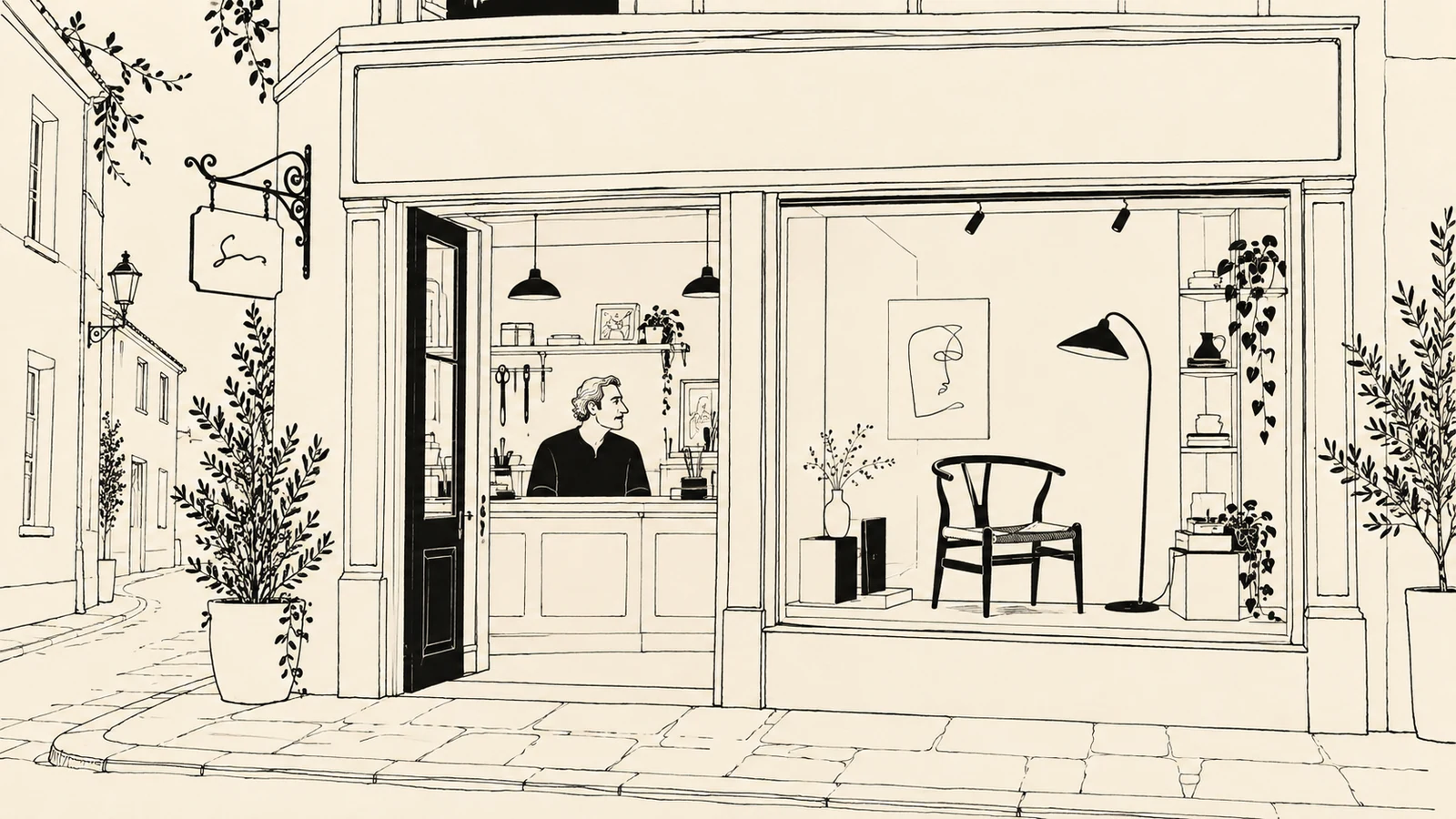
Before drafting alternatives, complete two separate statements: “The current homepage makes us look like…” and “The work we are equipped and willing to take on now is…”. Ask the person who answers enquiries to check both.
The gap might be narrow. A furniture workshop known for small repairs may now focus on restoration. A printer associated with walk-in copies may offer planned print production for local organizations. These are different positioning problems from a business that has changed ownership, moved or stopped providing a service.
Look for evidence in the old headline, photographs, service order and enquiry language. If people regularly ask about a discontinued service, the page may be reinforcing the wrong expectation. If they understand the offer but cannot find an answer about timing, the headline may already be doing its job.
Separate an existing capability from an ambition. Work the business hopes to offer next year should not become the homepage promise today. A clearer sentence cannot compensate for an unresolved decision about scope.
List the main services currently available, the customers they suit and the evidence you can show. Then choose the priority for the homepage. Priority can reflect the kind of enquiry the business is ready to handle, not just the service with the highest historic sales.
A useful opening often brings together a recognizable service and one important qualifier: audience, location or type of work. It rarely needs all three in the headline itself. The supporting sentence can carry practical context.
For example, an established workshop might need visitors to understand “furniture restoration” before “family business.” Its history remains valuable, but history does not explain whether the workshop can help with a damaged dining table.
If you cannot agree on the leading offer, use the five customer questions for a homepage brief before writing more slogans. The brief helps distinguish what customers need to understand from what the business would like to say about itself.
Treat the headline, supporting sentence and call to action as a small unit. Give each part a different job:
Here is an illustrative copy exercise for a fictional workshop, not a client case study:
Before: Quality and tradition since 1984.
Revised headline: Furniture restoration for homes in York.
Supporting copy: We assess and restore wooden tables, chairs and cabinets. Send photographs of your piece so we can discuss its condition and the work required.
Action: Email photos of your furniture.
The revision assumes those services, location and contact process are real. Replace every detail with verified information before using the structure. The opening now answers a practical question; the founding date can appear beside evidence of the workshop’s experience.
Do not label an email link “Get an instant quote” when someone must inspect the photographs and respond manually. The CTA is part of the positioning because it establishes what the business can deliver next.
Different problems call for different revisions. Adding “modern” or “premium” rarely explains what changed.
| Outdated impression | Headline direction to explore | Supporting detail needed |
|---|---|---|
| The business only sells a product but now also repairs it | Name the repair service explicitly | Supported items and how assessment works |
| The business serves everyone but now focuses on a specialty | State the specialty in familiar language | Suitable projects and meaningful exclusions |
| The website sounds national but the work is local | Pair the service with the actual area | Travel, collection or visit arrangements |
| The business looks like a walk-in service but works by appointment | Lead with the service, then clarify the process | Appointment route and what to prepare |
| The opening is entirely about longevity | Explain the current offer first | A verified history statement as supporting evidence |
For a business with several equally important services, use a clear umbrella description and a short supporting list. Avoid stretching one specialist claim across work it does not describe. The homepage content checklist explains how service groups can sit beneath a focused opening.
A long trading history can matter to customers. So can a recognizable name, an experienced team and continuity of service. Give that information a useful role rather than removing it automatically.
Place a concise history statement near work examples, the team or a section about the process. Explain what the experience means in practice, using claims the business can support. “Restoring wooden furniture since 1984” is more informative than an unexplained badge saying “40+ years of excellence,” if the date and activity are accurate.
Keep older services discoverable when they are still available. A customer returning for repair should not have to interpret a fashionable new label to find it. Clear navigation and a short service overview can preserve those routes while the homepage gives more prominence to the current priority.
A change in website positioning does not automatically require a new logo or business name. First identify whether the misunderstanding comes from the words, the work shown, the service structure or the identity itself.
When the business has decades of material to share, give the story a clear structure beyond the opening line. The guide to resolving chronological overload in company histories explains how to select meaningful milestones, preserve an archive and connect heritage with the current offer.
A headline can say “commercial fit-outs” while the photograph shows a small domestic repair. It can promise local appointments while the main button leads to a generic product catalog. These contradictions weaken a good sentence.
Review the headline beside the actual image, service links and CTA. Choose a photograph or work example that supports the offer rather than one selected only for atmosphere. Check the same grouping on a narrow screen, where supporting copy or a location statement may appear much later.
Keep the headline as real text, not embedded in a banner image. W3C’s writing guidance for web accessibility recommends meaningful headings and clear language. Short, descriptive wording also gives the page a useful outline for readers who navigate by headings.
The visible headline and search title can differ while describing the same offer. A search title may include the business name; the headline may give more space to the customer’s task. Avoid repeating a service keyword and several city names just to fit them into the opening.
For visitors arriving through a consultation advert, the first impression begins before the page loads. Use the advert-to-landing-page alignment checklist to check that the service, conditions and next step agree with the invitation they clicked.
Prepare two or three accurate versions with different emphases. Ask someone unfamiliar with the business to describe the offer after viewing one version in its page context. Do not begin by asking which sentence sounds more impressive.
Listen for misunderstandings about the service, customer, area and next step. A person repeating the headline word for word has not necessarily understood what they could ask the business to do. A specific paraphrase is more useful.
The homepage comprehension testing guide explains how to collect those observations without turning a small review into an unsupported conversion claim. Use the findings to revise the cause of confusion, which may be the surrounding content rather than the headline.
Only when the date is central to the visitor’s decision and the offer remains clear. It can usually sit in a supporting line or evidence section. Verify the wording, especially where ownership or services have changed.
Include location where it helps someone assess whether the service is relevant. A service with several genuinely covered areas may need a concise area description and a dedicated coverage page instead of a long list in the headline.
Short enough to read comfortably and specific enough to establish the offer. There is no useful universal word count. Test the full opening at real screen sizes and move secondary details into supporting copy.
If your business has evolved while its homepage still tells the old story, SavianoDesign’s Web Design service can help connect the brief, content hierarchy and responsive layout. Design and HTML, CSS and JavaScript implementation are agreed around the pages and interactions you need.
Explore the Web Design portfolio, then contact SavianoDesign about your homepage with your current URL, the work you want to lead with and the impression you need to change.
Web Design · 8 min read
Test whether new visitors understand your local business homepage with neutral questions, realistic tasks and a practical way to record and prioritize fixes.
Web Design · 9 min read
Create a practical local business homepage brief from five customer questions. Define the offer, evidence, service area, page content and next action.
Web Design · 8 min read
Plan a clear homepage with this practical content checklist: positioning, services, proof, calls to action and useful links for a service business.
Have a website in mind?