
Web Design
Law Firm — Website Design
A fictional law firm website concept for Harrington & Vale, exploring editorial design, clear navigation and a visual identity built around trust.
 Let’s talk
Plan a dental website timeline around content, approvals, design, development and external providers. Set milestones and launch checks without false promises.
Plan a dental website timeline around dependencies: content, approvals, design, implementation, external services and launch checks. A page count or preferred opening date is not enough to establish how long the project will take.
The useful schedule shows what must be ready before the next step can begin and who is responsible for it. A small site can still be delayed by unapproved service text or missing account access, while a larger project can move steadily when those inputs are organised.
Explain whether the date relates to a new practice opening, a change of location, a rebrand or replacement of an existing site. Identify which information and functions must be available by that date.
Then distinguish a firm external commitment from a preferred target. A sign installation or launch announcement may create a dependency; an arbitrary date chosen before the scope is understood may need adjustment.
Use the dental website phased-launch guide to identify a smaller complete first version if the wider project cannot fit the available window. Reducing scope deliberately is different from publishing unfinished appointment routes.
List the team profiles, service descriptions, visit information, images and contact instructions. Mark what is approved, what needs review and what still has to be produced.
Confirm who can approve clinical statements and who can verify operational details such as opening arrangements or request handling. A page cannot be treated as ready simply because a draft exists.
The dental website content checklist provides a practical register. Use it to identify the items that affect structure or layout early, especially long professional profiles, multiple locations and service groups with different information needs.
| Milestone | Input needed | Completion evidence |
|---|---|---|
| Scope agreed | Audience, page outline and enquiry process | Written deliverables, exclusions and responsibilities |
| Content direction ready | Practice facts, representative profiles and service material | Approved structure and identified content gaps |
| Design approved | Relevant content and consolidated feedback | Agreed layouts, states and responsive direction |
| Implementation ready | Approved design, assets and access | Working pages and scoped editing functions |
| Journey tested | Form delivery or provider setup | Verified request route, feedback and fallback |
| Launch approved | Final content and operational checks | Named approval and publication plan |
Add planned dates and owners to this table with the actual project team. The milestones give the dates meaning; they are not a universal duration estimate.
Design and development are only part of elapsed time. Feedback, clinical review and account administration may happen around the practice’s normal workload.
Agree a realistic review window for each milestone and nominate one person to consolidate comments. Record which reviewers must approve which subjects. The designer should not receive separate, conflicting instructions that the practice has not resolved.
If a decision is late, identify what work can continue and what must wait. Avoid hiding the delay by allowing later stages to proceed on assumptions that will require rework.
Ten pages sharing a well-defined structure may involve different work from five pages with distinct layouts and interactions. Team profiles, service pages, location information and contact flows need to be considered by type as well as quantity.
Content volume matters too. Migrating existing material, checking links and entering approved text can take substantial work even when the visual layout is reusable.
The dental website quote-comparison guide explains how to make those tasks visible in the scope. A timeline should reflect the agreed work rather than rely on an unexplained “per-page” assumption.
An appointment tool may require account configuration, availability settings, approved wording and a test of the handoff. Domain or hosting changes may require access held by another person. Photography may have its own delivery date.
Name these dependencies early and confirm who will coordinate them. A website implementer cannot reliably promise completion of a provider’s work without knowing its requirements and readiness.
Use the design-only versus complete-build guide to map responsibilities. “Waiting for the website” and “waiting for the booking account” are different blockers and should be reported separately.
Some activities can proceed together. Content collection can continue while the structure is developed; technical preparation can begin while an approved visual direction is refined.
Other work depends on decisions that should settle first. A major change to service grouping can affect navigation and page layouts. A late change from a request form to a different appointment provider can affect the journey and testing.
Record assumptions where provisional work is appropriate. For example, a design may use a representative approved profile while the remaining biographies are prepared. Make clear what range of content the layout must support before implementation is treated as final.
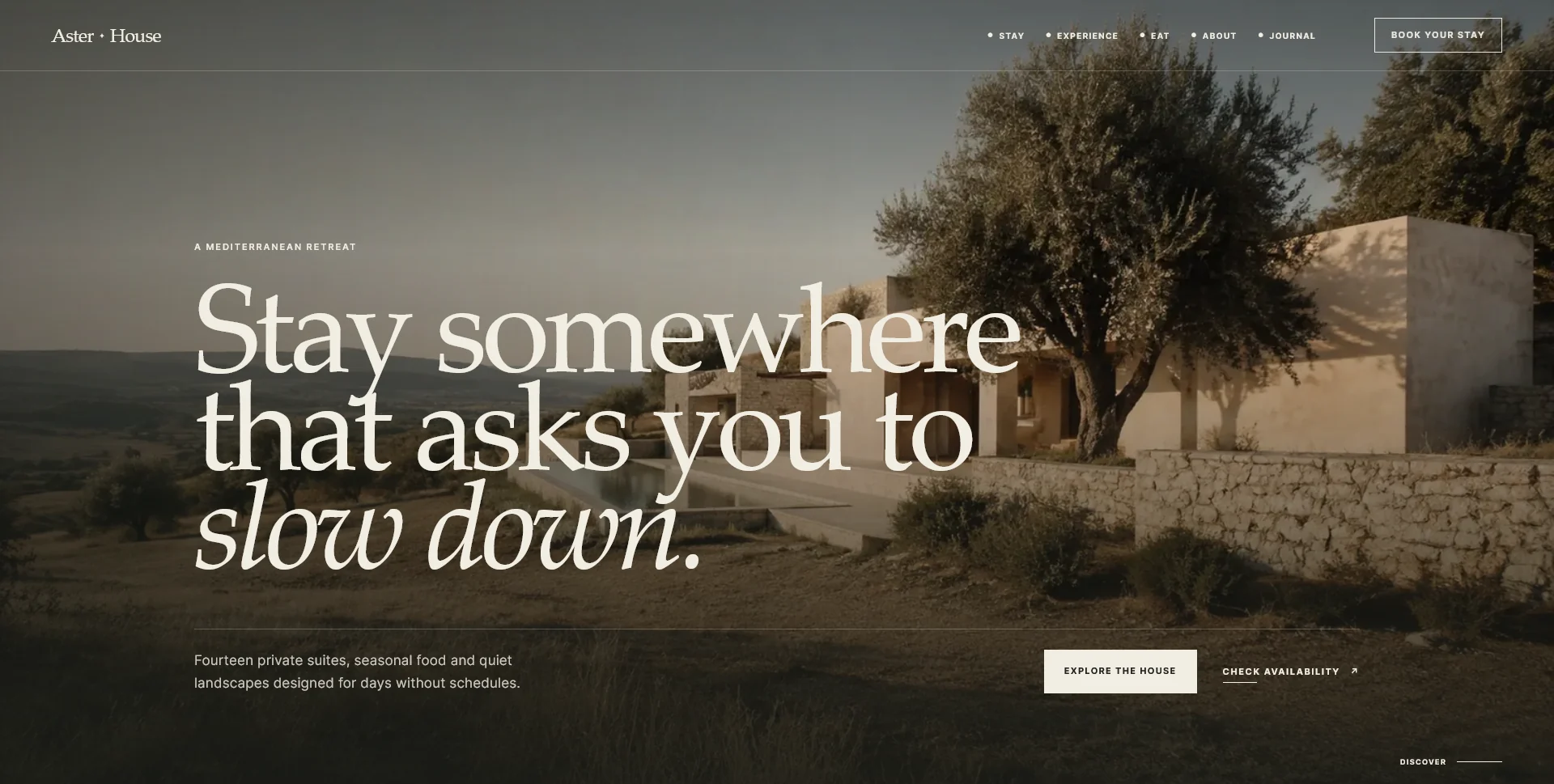
Choose visual references during the brief and explain what matters about them. The Harrington & Vale concept can support a discussion about professional profiles and service hierarchy; Aster House offers a different approach to image-led presentation.
Both are personal concepts. Use them to agree a direction for your practice, not as evidence of a standard delivery time or a template that can simply be relabelled.
A new reference introduced after design approval may imply a new direction. Discuss the effect on scope and schedule openly rather than treating every late visual preference as a minor refinement.
Reserve a named review for the live or final preview version. Confirm the practice details, page links, responsive layouts, enquiry delivery and appointment-provider destination. Check acknowledgements and fallback instructions as part of the same journey.
For a replacement site, include the agreed redirects and important old links. Confirm who authorises publication, who can restore the previous version if needed and who checks the first operational enquiries after launch.
The refresh-or-rebuild guide explains why migration belongs in the project. A deadline should not erase those responsibilities from the schedule.
For each uncertain item, record the consequence and a decision date. If team photographs are late, can an approved text-led layout launch first? If a booking integration is not ready, can an agreed contact route serve the first phase without misleading visitors?
The fallback must be complete and operationally approved. Do not display a booking promise that the practice cannot fulfil just to meet a date.
This approach makes the timeline reviewable: the team can see what is on track, what is blocked and which scope decision would resolve the problem.
Yes, as a conditional estimate with explicit assumptions. Identify the materials and approvals that must arrive for that date to remain realistic.
Not in every case. The time depends on the agreed setup, editing requirements, content and integration work, not simply the presence of a CMS.
A stable scope, named approvers, current materials and consolidated feedback make the next decision clearer. External account access and provider readiness also need attention.
Share the target date, its reason, the content status and the people involved. SavianoDesign’s Website Design service can help define a practical scope and schedule around those dependencies.
Web Design
A fictional law firm website concept for Harrington & Vale, exploring editorial design, clear navigation and a visual identity built around trust.
Web Design
An editorial hospitality concept, combining a Mediterranean visual direction with responsive front-end development.
Web Design
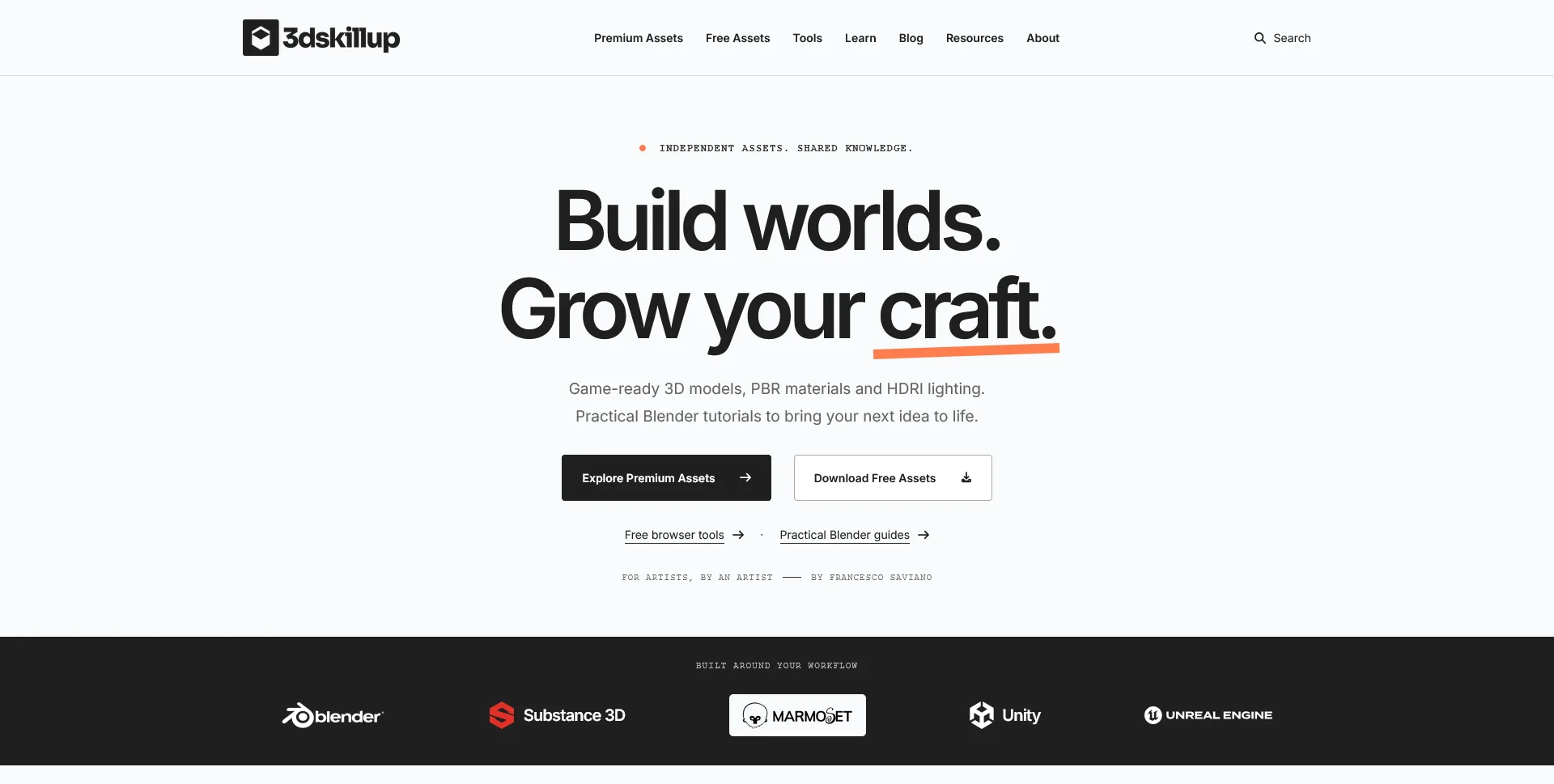
A separate creative platform bringing together game-ready 3D assets, practical tutorials and resources for artists.
Web Design · 6 min read
Prepare your dental website brief with practice facts, verified qualifications, approved service content and images. Track ready, outdated and missing assets.
Web Design · 6 min read
Plan a focused dental website launch with essential information and a working enquiry route. Plan later additions without committing to a complete rebuild.
Web Design · 6 min read
Separate dental website design, frontend, CMS, content and external services. Define deliverables, ownership and the work needed for a dependable enquiry route.
Have a website in mind?
A short outline is enough to start a conversation.
Discuss your project View my 99designs profile5.0 / 5 from 25 reviews on 99designs. Read client feedback.