Logo Design
Grill Genius
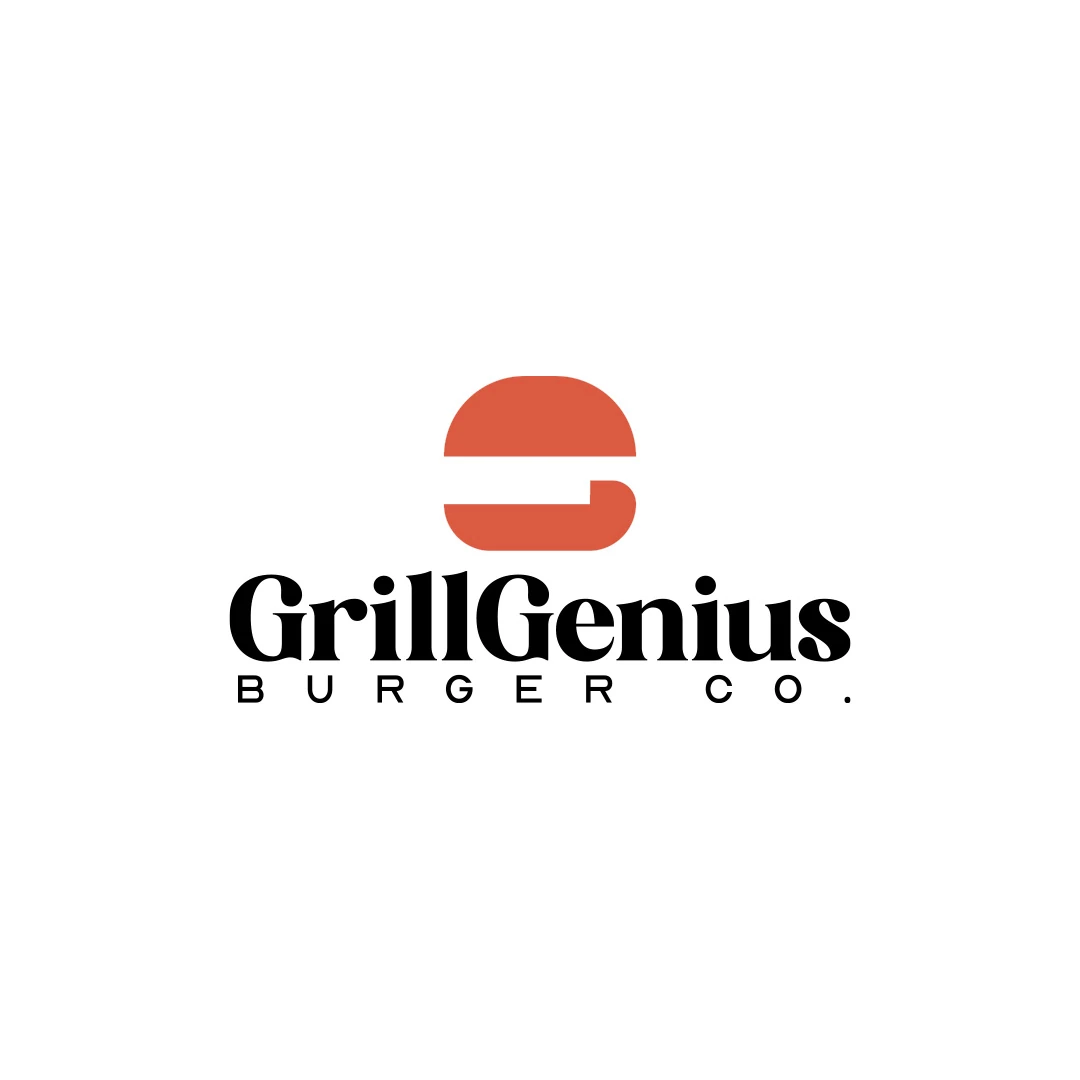
A personal identity concept for fictional GrillGenius Burger Co., with a burger-shaped G symbol and expressive typography built for instant recognition.
 Let’s talk
Plan your first coffee shop logo around your audience, name, sign, cups and menu. Prepare the decisions a designer needs before exploring colours and symbols.
A first coffee shop logo starts with a few business decisions: who should recognise the café, what should they understand about it, and where will they encounter its name? Settle those questions before choosing colours or asking a designer to draw a cup.
For a new neighbourhood café, recognition usually begins with ordinary encounters. Someone passes the shopfront, sees a takeaway cup on a colleague’s desk or searches for the name after a recommendation. The logo needs to help those encounters connect. A useful brief explains that task in practical terms.
Write a short description of the offer, location and service. Be specific enough that a designer could distinguish it from another coffee shop on the same street.
“Carefully prepared espresso and fresh pastries for local residents, with quick takeaway service in the morning and a few seats for a slower afternoon” gives more direction than “premium, friendly and modern”. The first description identifies situations the identity should suit. The second leaves almost every visual interpretation open.
Avoid asking the logo to communicate qualities the operation cannot yet support. If roasting, baking or a particular sourcing claim is central to the story, confirm what is true before building a visual idea around it.
A café can welcome many people while still having a clear opening priority. Commuters, nearby office workers, students and people meeting friends may encounter the business in different ways.
Describe their relevant habits rather than inventing an elaborate fictional personality. Do they notice the premises while walking? Will a cup often leave the shop? Does the name need to be read quickly from across a narrow street? These details can affect hierarchy, letterforms and the need for a compact secondary mark.
The goal is not to predict everyone’s taste. It is to give the designer realistic conditions against which proposals can be discussed.
Provide the exact spelling, capitalisation preferences, punctuation and any accent marks. Say whether a descriptor such as “Coffee & Bakery” is essential or optional, and whether it must appear in every application.
A long name with a descriptor creates a different layout problem from a short name. If the name is still under discussion, make that explicit: changing it after lettering has been refined can change the work substantially.
Separate the design decision from naming and availability checks. Agree who is responsible for those questions; commissioning a logo should not silently be treated as commissioning a naming or trademark service.
Once the name is settled, the comparison of wordmarks and symbols for coffee shop names can help you consider the appropriate format.
Start with the things that must work when the café opens. An application list is more useful than a request for a logo that works “everywhere”.
| Application | Information to gather | Design question it raises |
|---|---|---|
| Shopfront sign | Available area, viewing situation, background and supplier constraints | Can an unfamiliar passer-by read the name? |
| Takeaway cup or sleeve | Printable area, colours, material and production method | Does the mark remain clear on a curved surface? |
| Menu | Format, printing method and space needed for food and drink information | Can the logo identify the café without crowding the menu? |
Add a social profile image or website header if it is genuinely part of the first release. Share dimensions or supplier templates where available. If they are unknown, record them as a dependency rather than asking the designer to guess.
A presentation mockup can help you imagine these uses, but production artwork and supplier approval are separate tasks. This distinction matters when choosing a logo package or a wider identity scope.
A neighbourhood café may want artisanal warmth alongside a clear, contemporary service. Those qualities need interpretation. “Warm” could suggest generous shapes and approachable spacing; it does not automatically require distressed lettering. “Contemporary” could mean a simple, direct composition; it does not automatically require a thin geometric font.
Write what the café should feel like and what would be misleading. For example: welcoming and carefully made, without resembling a formal luxury restaurant or a novelty dessert shop. These boundaries help a designer choose an appropriate direction while leaving room for design judgement.
The guide to writing a coffee shop logo brief develops this into observable criteria and useful references.
Collect a small selection of actual neighbouring businesses. Note repeated colours, symbols, type styles and name structures. The purpose is to notice potential confusion and understand the local visual context.
Do not assume that using a different shade or reversing a familiar cup icon will make the result distinctive. Compare the overall impression, including the name, silhouette and arrangement. A designer can use that information to explore a more appropriate direction; a visual review does not establish legal availability.
Also include a few references outside the café category, with a sentence about what interests you. This can broaden the discussion beyond familiar coffee-bean imagery.
When reviewing work, look for a clear relationship between the name, the symbol and the intended application. Can you explain what the designer chose to emphasise?
The Grill Genius personal concept combines a burger-shaped G with an expressive wordmark for a fictional food business. It is a useful example of connecting a recognisable subject with a particular name. Your café may need a different approach, but the question transfers: what makes this idea belong to this business?
Use portfolio examples to discuss judgement and craft. Keep their project status and scope visible when comparing them with your own commission.
If an early logo is already in use, include it in the brief. The guide to refreshing or redesigning a café logo helps decide what recognition to preserve and which problems a new commission should address.
Name one person who will gather feedback and approve the work. Write a short set of checks before seeing proposals: correct name, readable intended uses, suitable character and enough visual separation from nearby identities.
Also confirm the deliverables, revision process and target handover date. Share production deadlines for the sign or cups separately; those may arrive before the public opening.
If budget is still uncertain, use the coffee shop logo quote guide to compare what each proposal actually includes.
No. A clear business description and application list are often more useful than a predetermined drawing. Share any ideas you have, while explaining the purpose behind them.
Only if that direction fits the name, positioning and surrounding visual context. A cup is one possible cue, not a requirement for communicating that a business serves coffee.
You need enough clarity to commission the agreed work. A focused logo brief can begin with audience, offer, uses and constraints. Naming, research or broader strategy should be identified separately when they are needed.
SavianoDesign’s Logo Design service covers an agreed brief, design directions, refinement and defined logo files, with an optional usage guide. Share your café name, a short description of the people you want to reach and the first applications you need.
Those materials give us a practical basis for discussing the logo before committing to a particular style or symbol.
Logo Design
A personal identity concept for fictional GrillGenius Burger Co., with a burger-shaped G symbol and expressive typography built for instant recognition.
Logo Design
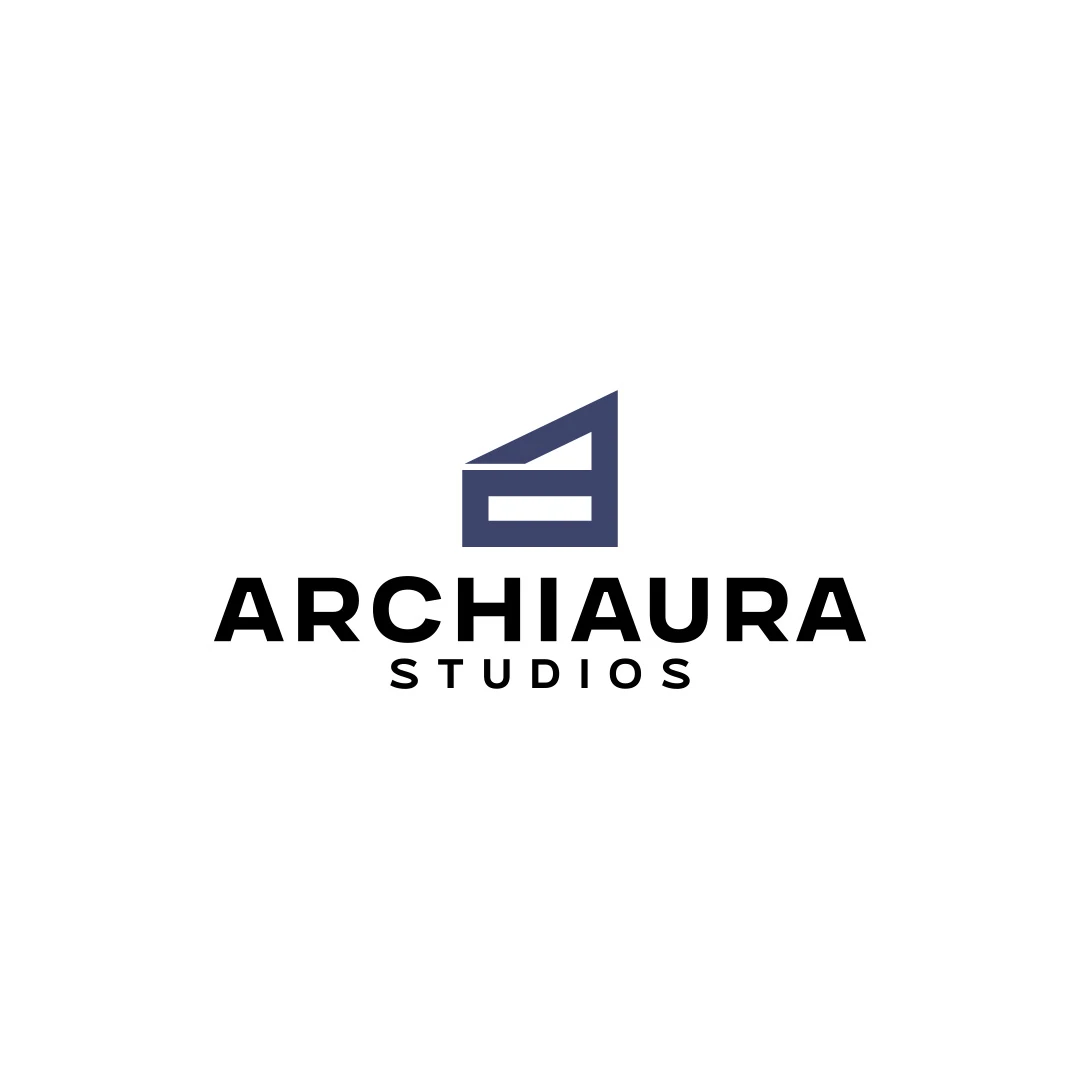
A personal logo concept for fictional ArchiAura Studios, combining an architectural A monogram with clean geometry and a contemporary visual identity.
Logo Design
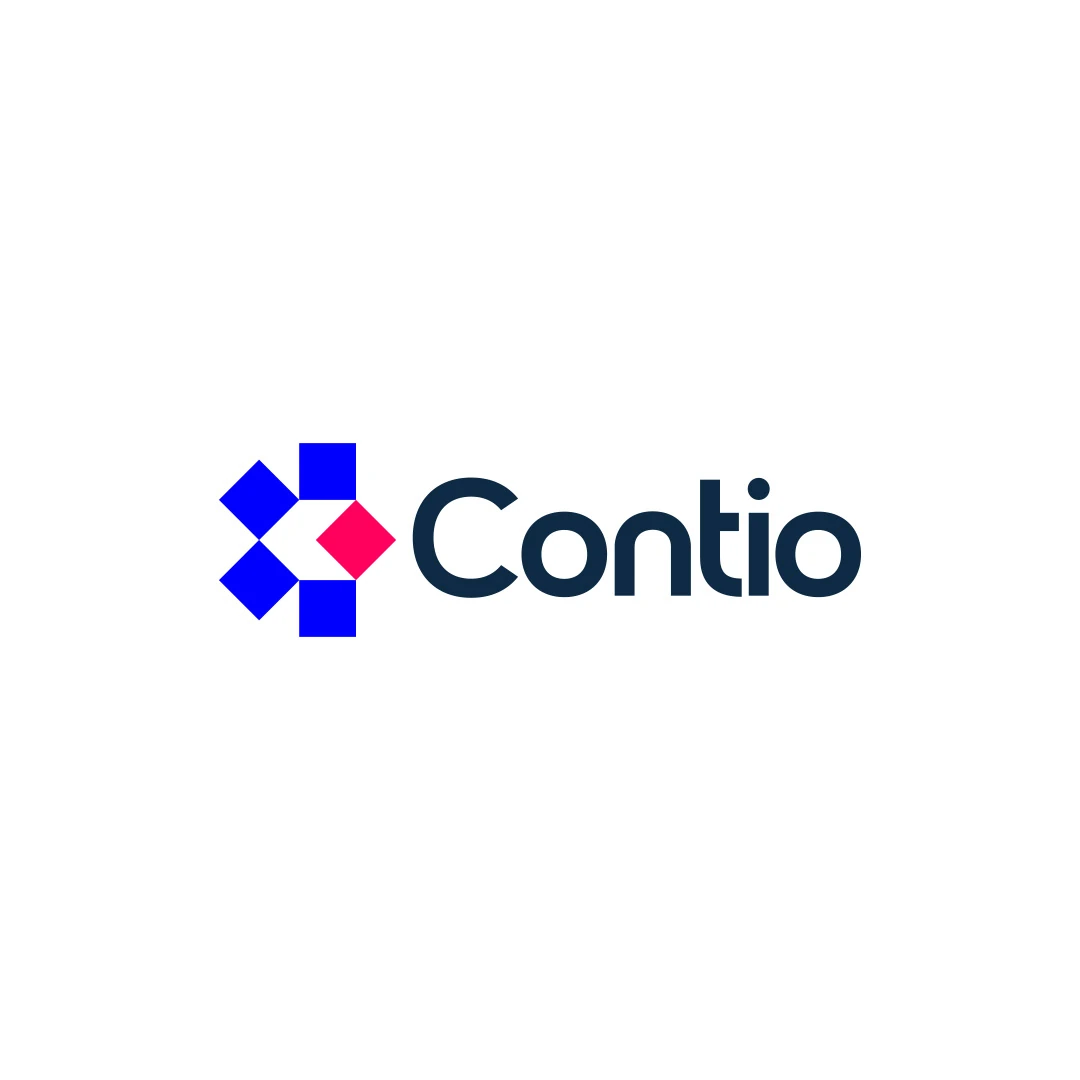
A logo contest proposal for Contio, using an abstract geometric symbol to express collaboration, structure and focus for a meeting productivity platform.
Logo Design · 6 min read
Write a coffee shop logo brief that turns warmth, craft and contemporary service into useful criteria, with application details and an illustrative example.
Logo Design · 6 min read
Compare logo design, variations, usage guidance and a wider café brand identity. Define the sign, cup and menu deliverables your first phase actually needs.
Logo Design · 6 min read
Compare coffee shop logo quotes by scope, lettering, revisions and deliverables. See SavianoDesign pricing and separate design fees from production costs.
A new logo in mind?
A short outline is enough to start a conversation.
Discuss your project View my 99designs profile5.0 / 5 from 25 reviews on 99designs. Read client feedback.